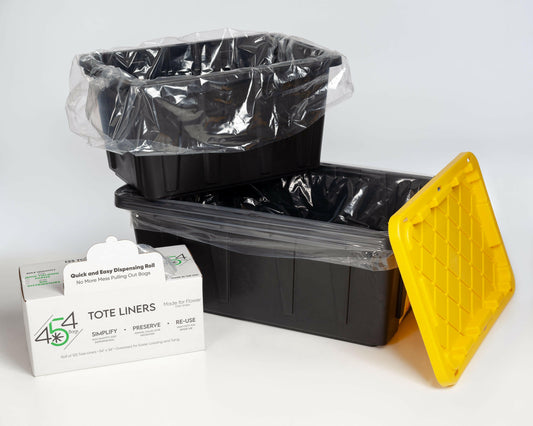
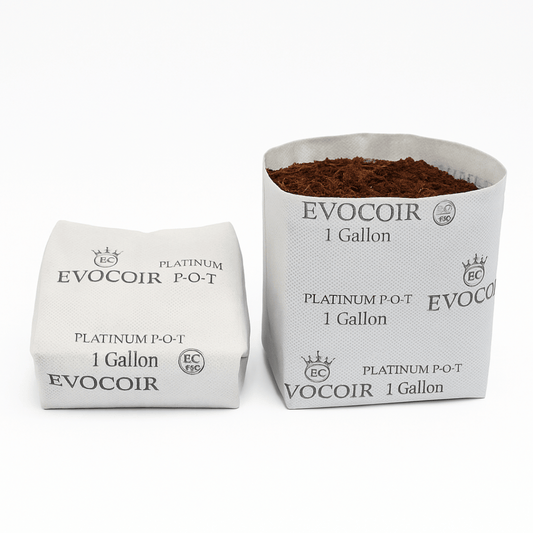
We are super happy with the liners. Has saved us so many man hours not having to wash totes. We will definatly keep using the liners
these are awesome for keeping your totes clean!
Most growers worry about how much oxygen cannabis is exposed to. Far fewer understand that timing matters far more than volume.
Oxygen exposure affects cannabis differently depending on when it occurs in the post-harvest lifecycle. The same air exchange that helps early curing can quietly degrade finished flower if it happens too late.
This article explains why oxygen timing matters, how repeated air exposure damages finished cannabis, and how professional operations control oxygen without overcomplicating storage.
During early post-harvest stages, controlled oxygen exposure plays a role in natural biochemical processes.
In early curing:
At this stage, limited oxygen exposure is part of normal maturation.
Once cannabis reaches its finished state, oxygen exposure shifts from helpful to harmful.
Late-stage oxygen exposure can cause:
These changes happen slowly and often go unnoticed until quality complaints arise.
One of the most common sources of late-stage oxygen exposure is inspection.
Every time containers are opened:
Repeated brief openings are often more damaging than one longer exposure.
Oxygen damage is cumulative.
Individually, short exposure events seem harmless. Over weeks or months, they compound into measurable quality loss.
This is why late-stage degradation is so difficult to trace.
Late-stage oxygen exposure is frequently mistaken for moisture or curing errors.
Teams often attempt to correct:
By adjusting humidity—when oxygen exposure is the real cause.
Professional facilities limit oxygen exposure based on product stage.
Common practices include:
Control is achieved through discipline, not technology.
Late oxygen exposure shortens the perceived shelf life of cannabis—even when lab results remain unchanged.
Consumers respond most strongly to:
Oxygen exposure after cure quietly erodes all three.
Oxygen is neither good nor bad on its own.
The difference between stable, long-lasting flower and prematurely “aged” product often comes down to when air is allowed to interact with cannabis.
Understanding oxygen timing is one of the simplest ways to protect quality without changing storage materials or equipment.
Yes. Controlled exposure supports natural curing processes early on.
Potency changes are minimal, but aroma and freshness decline noticeably.
Repeated late-stage oxygen exposure accelerates terpene volatilization.
Repeated brief openings cause cumulative oxygen damage.
No. Once terpenes volatilize or oxidize, they cannot be restored.
Storage is typically worse due to repeated access over time.
Limit openings, plan inspections, and avoid unnecessary handling.
ไม่มีความคิดเห็น
0 comments