Mechanical Trichome Loss: How Cannabis Loses Resin During Handling—Not Trimming

0 comments

Mechanical Trichome Loss: How Cannabis Loses Resin During Handling—Not Trimming

Many growers assume trichomes are only lost during trimming. In reality, a significant amount of resin is removed long before scissors ever touch the plant.

Mechanical trichome loss occurs during routine handling—moving, transferring, scooping, dumping, and staging cannabis flower. Unlike trimming loss, this damage is subtle, cumulative, and rarely measured.

This article explains how handling techniques strip trichomes from flower, where loss occurs most often, and how commercial teams reduce resin loss without slowing operations.

What Is Mechanical Trichome Loss?

Mechanical trichome loss refers to resin heads being physically removed from cannabis due to friction, impact, or vibration.

This typically happens when:

  • Flower rubs against other flower
  • Buds slide across hard surfaces
  • Material is poured instead of lifted
  • Containers vibrate during movement

The loss is invisible until yields, potency perception, or bag appeal decline.

Why Trichomes Are Easy to Remove

Trichomes are attached by fragile stalks designed for chemical production—not structural strength.

Once dried:

  • Stalks become brittle
  • Resin heads detach easily
  • Minor friction causes loss

Handling methods matter far more than most teams realize.

High-Risk Handling Practices

Mechanical loss rarely comes from one major event. It happens through repetition.

Common high-risk actions include:

  • Dumping flower from bins instead of lifting
  • Scooping buds with rigid tools
  • Sliding flower across tables or trays
  • Over-mixing during staging

Each action removes a small amount of resin—together, the losses add up.

Why Transfers Cause More Loss Than Trimming

Trimming removes leaf material, not resin.

Handling transfers, however:

  • Create bud-on-bud abrasion
  • Break trichomes at contact points
  • Distribute kief onto surfaces instead of flower

Many operations unknowingly lose more resin during transfers than during trimming itself.

Vibration: The Overlooked Factor

Movement doesn’t need to be aggressive to cause damage.

Vibration from:

  • Carts
  • Forklifts
  • Transport vehicles

Causes micro-friction that dislodges resin heads over time.

Where Lost Trichomes Actually Go

Mechanical trichome loss doesn’t mean resin disappears.

It accumulates on:

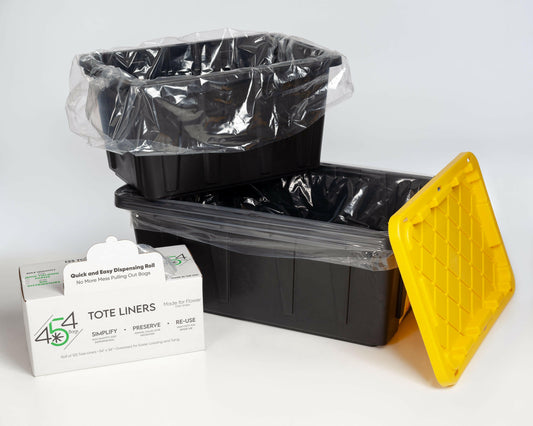
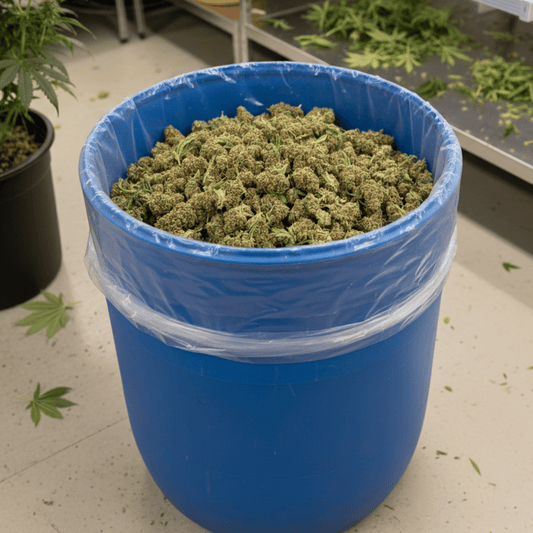
  • Bin walls
  • Bag interiors
  • Work surfaces
  • Clothing and gloves

Most operations never reclaim this loss—or realize it happened.

Why Mechanical Loss Is Hard to Detect

Because damage is gradual, it’s often blamed on:

  • Genetics
  • Curing issues
  • Dryness
  • Testing variance

In reality, resin was physically removed before packaging.

How Commercial Teams Reduce Mechanical Loss

Professional operations adjust behavior, not equipment.

Common strategies include:

  • Lifting flower instead of pouring
  • Reducing unnecessary transfers
  • Limiting agitation during staging
  • Using gentle handling protocols for finished flower

Less movement equals more retained resin.

Handling Is a Yield Variable

Every touch matters.

Mechanical trichome loss directly impacts aroma, visual quality, and perceived potency—making handling discipline one of the easiest ways to protect product value.


Frequently Asked Questions

Does mechanical trichome loss affect potency?

Yes. Resin heads contain the majority of cannabinoids and terpenes.

Is this the same as static loss?

No. Mechanical loss is caused by friction and impact, not electrostatic charge.

Does dry flower lose trichomes more easily?

Yes. Drier trichome stalks are more brittle.

Can lost trichomes be recovered?

Only if intentionally collected. Most losses are unrecoverable.

Is mechanical loss worse during transport?

Yes. Vibration and movement significantly increase loss.

Do gloves prevent mechanical loss?

They help, but handling technique matters more than glove choice.

How can I audit trichome loss?

Inspect bin walls, liners, and work surfaces for resin accumulation.

Comments

ไม่มีความคิดเห็น

Leave a comment
Your Email Address Will Not Be Published. Required Fields Are Marked *

10.4K Followers
สมัครสมาชิกกับเรา
สมัครรับจดหมายข่าวของเราและรับบทความดีๆ มากมายทุกสัปดาห์