
Cross-Lot Contamination in Cannabis Storage: How One Bad Batch Can Ruin the Rest

0 comments

Cross-Lot Contamination in Cannabis Storage: How One Bad Batch Can Ruin the Rest

In cannabis storage, problems rarely stay isolated. One compromised lot can quietly affect every batch stored around it.

Cross-lot contamination occurs when issues from one batch—aroma, moisture imbalance, or microbial pressure—spread to neighboring inventory. This isn’t always visible, and it doesn’t require direct contact.

This article explains how cross-lot contamination happens, why it’s so difficult to detect, and how commercial operations prevent one bad batch from degrading an entire storage room.

What Is Cross-Lot Contamination?

Cross-lot contamination happens when one batch of cannabis negatively influences other batches stored nearby.

This influence can occur through:

  • Shared airspace
  • Shared handling equipment
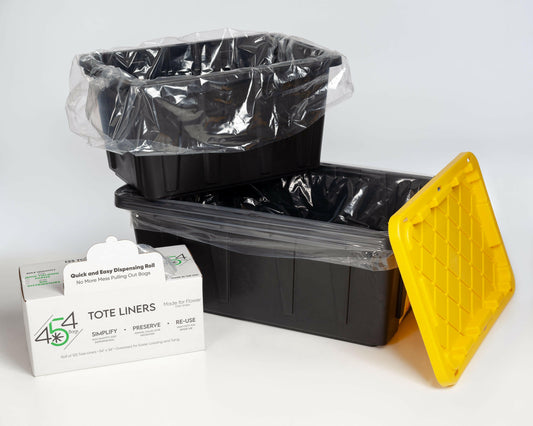
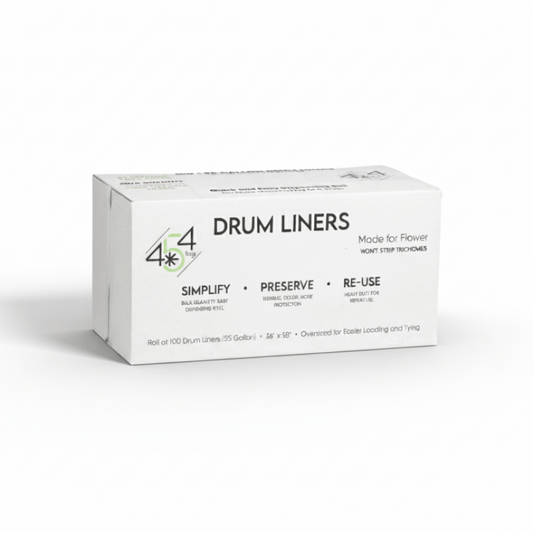
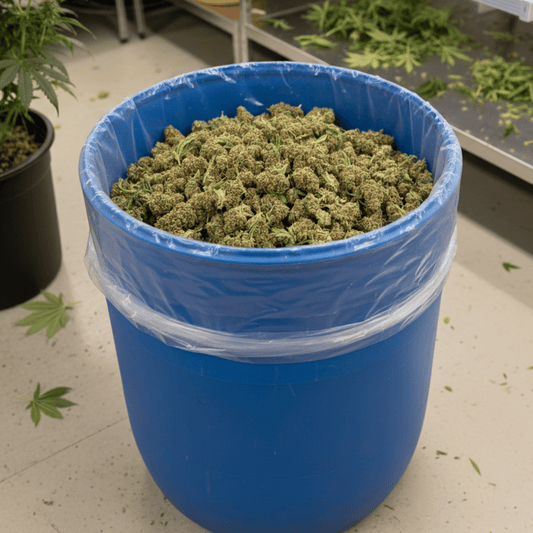
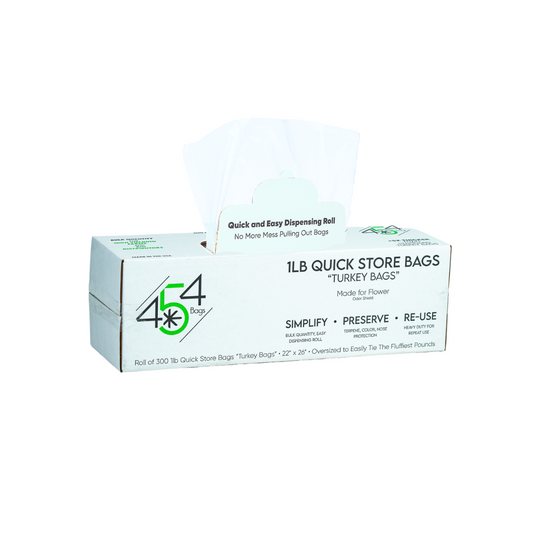
  • Shared containers or liners
  • Repeated opening of mixed storage zones

The affected batches may test clean yet lose quality.

Why Cannabis Is Especially Vulnerable

Cannabis flower is porous, aromatic, and biologically active.

This makes it sensitive to:

  • Airborne moisture fluctuations
  • Microbial pressure from nearby material
  • Aroma transfer between lots

Unlike sealed consumer goods, flower continues interacting with its environment.

Common Sources of a “Problem Lot”

A batch doesn’t need visible mold to be risky.

High-risk lots include:

  • Flower with uneven moisture distribution
  • Recently rehydrated material
  • Partially cured or rushed product
  • Flower that experienced condensation events

These lots emit moisture and volatile compounds that affect neighbors.

How Contamination Spreads Without Contact

Cross-lot contamination is usually airborne.

When a compromised lot is opened:

  • Moisture enters shared airspace
  • Volatile compounds disperse
  • Microclimates shift around nearby containers

Repeated exposure amplifies the effect.

Why Mixed Storage Zones Are High Risk

Storing multiple lots together increases contamination potential.

Mixed zones:

  • Mask early warning signs
  • Make accountability unclear
  • Allow issues to propagate silently

By the time quality drops, the original source is hard to identify.

Why Cross-Lot Issues Are Often Missed

Because damage is subtle, teams often blame:

  • Storage duration
  • Packaging materials
  • Genetics
  • Handling inconsistencies

The real cause—a single compromised lot—goes unnoticed.

How Professional Operations Contain Risk

Commercial facilities treat questionable inventory as a containment issue.

Best practices include:

  • Isolating suspect lots immediately
  • Designating quarantine storage areas
  • Never opening compromised material near clean inventory
  • Cleaning tools and surfaces between lots

Isolation protects the entire inventory.

Why One Lot Can Cost More Than Its Own Value

The financial risk of cross-lot contamination exceeds the value of the bad batch.

Consequences include:

  • Multiple lots losing aroma or appeal
  • Inconsistent customer experience
  • Brand trust erosion

Preventing spread preserves far more value than salvaging one batch.

Containment Is a Storage Strategy

Cross-lot contamination isn’t rare—it’s just quiet.

Operations that isolate early and store deliberately protect not just compliance, but consistency and reputation.


Frequently Asked Questions

Can one bad batch really affect others?

Yes. Shared airspace and handling make cross-lot influence common.

Does contamination require physical contact?

No. Airborne moisture and volatile compounds are enough.

Are sealed containers safe from cross-lot issues?

They reduce risk but are not immune if opened in shared spaces.

What’s the biggest warning sign of a problem lot?

Uneven moisture, rehydration attempts, or unusual aroma.

How should questionable flower be handled?

Isolate it immediately in a separate storage area.

Can cross-lot contamination affect lab results?

Usually no—but it strongly affects perceived quality.

Is quarantine worth the space cost?

Yes. Isolation protects the value of all other inventory.

Comments

No comments

Leave a comment
Your Email Address Will Not Be Published. Required Fields Are Marked *

10.4K Followers
Subscribe Us
Subscribe to our newsletter and receive a selection of cool articles every weeks