Why Mold Starts Inside Cannabis Buds First (And How to Stop It Early)

0 comments

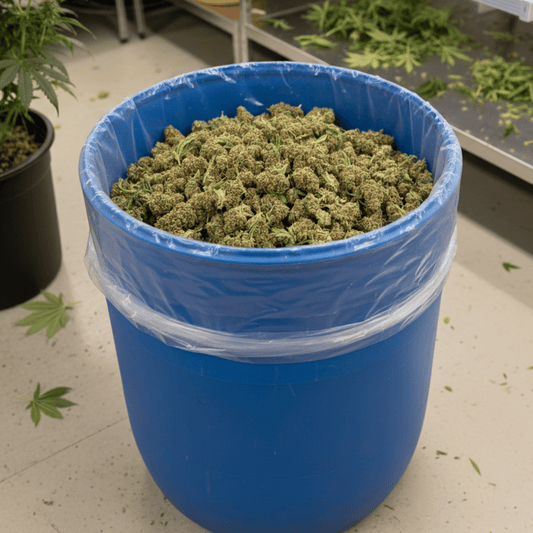
Close-up of mold forming inside cannabis bud showing internal contamination risk

Most growers look for mold on the outside of cannabis buds—but by the time it’s visible, the problem has already spread. Mold almost always starts inside the bud first.

Understanding why this happens is key to preventing losses, especially when working with dense flower or bulk storage.

Why Mold Starts Inside the Bud First

Cannabis buds are naturally dense, especially high-quality flower. This density creates a unique problem: internal moisture gets trapped even when the outside feels dry.

While the outer layer may appear ready, the inside can still hold elevated moisture levels—creating the perfect environment for mold to develop.

The Core Problem: Uneven Drying

  • Outer layers dry faster due to airflow exposure
  • Inner core retains moisture longer
  • Sealing too early traps that internal moisture

This imbalance is one of the most common causes of mold in cannabis.

Why Dense Buds Are More at Risk

Large, tightly structured buds are more prone to internal mold because airflow cannot easily reach the center.

Even in ideal drying environments, dense flower can:

  • Hold moisture longer internally
  • Create microclimates inside the bud
  • Develop mold without early visible signs

This is why premium flower often requires more precise moisture control—not less.

The Danger of “Feels Dry” Testing

Many growers rely on touch to determine dryness. If the outside feels dry, they assume it’s ready.

This is where problems begin.

Surface dryness does not reflect internal moisture content. Buds can feel ready while still holding dangerous moisture levels inside.

How Mold Spreads Internally

Once mold begins inside a bud, it spreads outward—often undetected until it’s too late.

By the time you see:

  • Discoloration
  • Soft spots
  • Musty smell

The contamination has already progressed deeper into surrounding material.

How to Prevent Internal Moisture Buildup

1. Extend Dry Time for Dense Flower

Don’t rush the drying process. Larger buds require more time for internal moisture to equalize.

2. Break Down Large Colas

Reducing bud size improves airflow and helps prevent internal moisture pockets.

3. Verify Internal Moisture Before Sealing

Using a cannabis moisture meter allows you to check actual moisture levels—not just surface feel.

4. Avoid Sealing Too Early

Sealing cannabis before internal moisture stabilizes is one of the fastest ways to create mold conditions.

Why Bulk Storage Makes This Worse

In large-scale operations, uneven moisture becomes more dangerous.

When multiple buds are stored together:

  • Moisture redistributes between pieces
  • Wet pockets can form inside containers
  • Airflow becomes limited

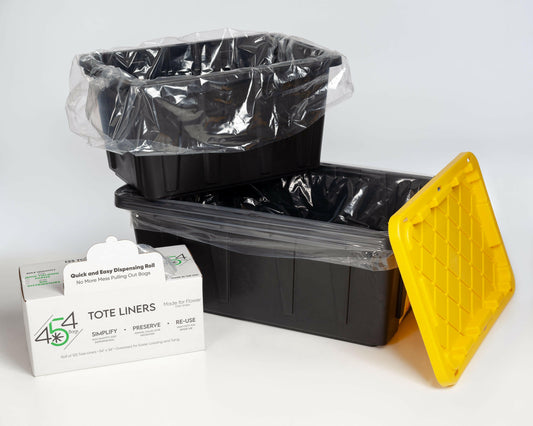
Using tote liners helps create cleaner, more controlled environments during handling and storage.

Controlled Storage Matters

Even after proper drying, maintaining a stable environment is critical.

Solutions like CurePak help regulate internal conditions, reducing the chance of moisture spikes that can restart mold development.

Key Takeaway

Mold doesn’t start where you can see it—it starts where moisture gets trapped.

If you rely only on surface dryness, you’re missing the real risk.

Controlling internal moisture—through proper drying, measurement, and storage—is what prevents mold before it ever becomes visible.

Comments

No comments

Leave a comment
Your Email Address Will Not Be Published. Required Fields Are Marked *

10.4K Followers
Subscribe Us
Subscribe to our newsletter and receive a selection of cool articles every weeks