
Dry & Cure·3 min read
The Science of Cannabis Curing: Why the Right Bag Matters
Cannabis curing is an art that transforms good buds into great ones through meticulous moisture control, essential for preserving flavor, aroma, and potency. At 454 Bags, we provide superior Mylar bags tailored for optimal cannabis storage, featuring UV-blocking, airtight, and odor-proof properties to maintain the integrity of your harvest. Our durable, reusable bags are designed for both personal and commercial use, ensuring that each bud remains potent, fresh, and aromatic. Elevate your cannabis curing process with 454 Bags and ensure your product remains top-shelf quality. Shop our collection today and experience the difference that premium storage solutions can make.
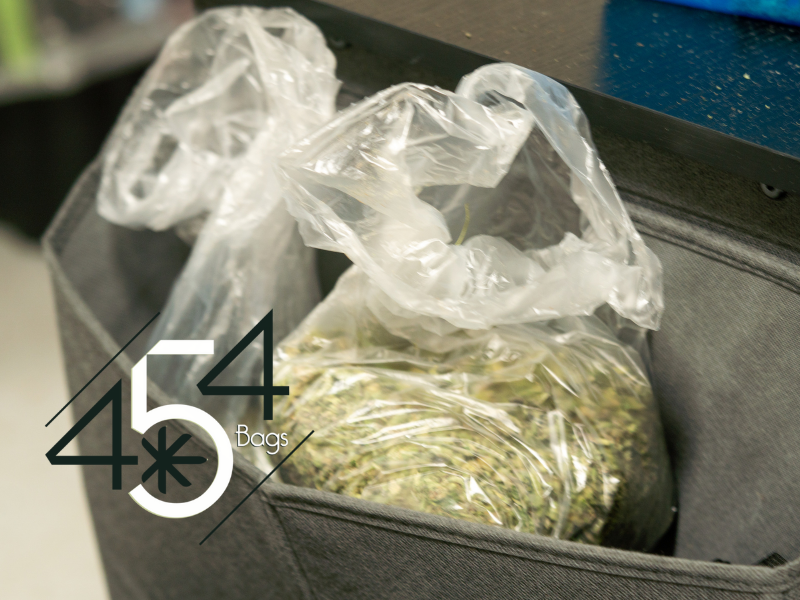
The best cannabis curing bag for a batch depends on its size, closure, handling needs and your monitoring procedure. Compare those details before choosing between a zipper bag, roll bag, rigid container or vacuum package.
For pound-scale bags with a resealable zipper and heat-sealable top, compare CurePak sizes and pack counts. Use the comparison below to decide whether that format fits your workflow.
What a curing container does
A container provides a defined space for handling, monitoring and storing a batch. Its barrier construction, closure and condition affect that environment. No container alone establishes that flower is ready to seal, maintains a guaranteed humidity level or proves the batch is free of contamination.
Compare cannabis curing and storage formats
| Format | Useful features | Tradeoffs to check |
|---|---|---|
| CurePak bags | Flexible pound-scale format; resealable zipper; heat-sealable top. | Nominal capacity, closure space, monitoring procedure and pack count. |
| Roll storage bags | Convenient individual-bag dispensing for repeated handling. | Listed dimensions, separate closure needs and the specific film construction. |
| Glass jars or rigid containers | A rigid shape and access for repeated checks. | Usable volume, weight, cleaning procedure and closure condition. |
| Totes with liners | Container support plus a removable liner for larger handling tasks. | Container fit, liner dimensions and the complete lid or closure system. |
| Vacuum bags | A format for a compatible vacuum packaging process. | Equipment compatibility, seam quality and compression of the contents. |
“Mylar,” “turkey bag” and “curing bag” are not complete specifications. Compare the actual product: film construction, closure, dimensions and stated use. Do not transfer one brand's humidity-control or reuse claims to another product.
Keep moisture content and relative humidity separate
A cannabis moisture meter checks material touched by its pins. A hygrometer measures relative humidity in the air. Water activity is a third, separate measurement. A 12% moisture reading is not 12% RH, and a room RH reading does not describe the moisture percentage inside a bud.
Use representative samples and your validated process to decide whether a batch is ready for sealed storage. A container or humidity accessory does not replace drying, inspection or required quality testing.
Choose size, closure and quantity
- Size: allow space for the contents and a clean closure. Nominal pounds are a guide; density and headspace change the actual fill.
- Closure: decide whether you need repeated zipper access, a separate tie or a final heat seal.
- Quantity: divide the batch into distinct lots and round up to whole bags and packs. Keep spare bags for replacements and samples.
- Verification: check fit and closure on a small trial before a bulk order.
Keep a record with the container
Label the lot, fill date and container ID. Record moisture samples, container observations and any opening or resealing in the burp log and inventory SOP. Use our burping schedule guide to separate routine checks from the decision to open a container.
Curing bag questions
Are all curing bags humidity-regulating?
No. Check the individual manufacturer's specifications. A barrier bag or zipper does not by itself establish active humidity control.
Can a curing bag replace drying?
No. Follow the drying and quality checks in your process before sealing a batch.
How do I choose between a 1 lb and 5 lb bag?
Consider lot separation, handling frequency, nominal capacity and space for the closure. Smaller bags can divide a batch into more units; larger bags reduce the number of bags needed at their nominal fill.
Where can I compare the current options?
Start with CurePak curing and storage bags or compare roll bags and other storage formats.


Reader discussion 0