

Burp Logs & Cure Inventory SOP: How Commercial Growers Eliminate Guesswork

0 comments

Burp Logs & Cure Inventory SOP: How Commercial Growers Eliminate Guesswork

Burping cannabis isn’t the problem. Inconsistent tracking is.

Most curing failures don’t come from bad bags, wrong humidity, or poor genetics. They come from lost context. When teams don’t know what was burped, when it was burped, or how the flower responded, curing turns into guesswork.

This is why commercial operators rely on burp logs and inventory SOPs—to make curing repeatable across shifts, staff, and harvests.

What a “Burp Log” Actually Is

A burp log is not a schedule—it’s a record.

Instead of asking, “Should this be burped today?” teams ask:

  • When was this lot last opened?
  • How much moisture was released?
  • Did aroma improve, stall, or degrade?
  • Is the cure progressing as expected?

Burp logs turn curing from a habit into a controlled process.

Why Guess-Based Curing Fails at Scale

Small grows can rely on memory. Commercial operations cannot.

Without logs:

  • Lots get over-burped or under-burped
  • Different staff follow different instincts
  • Problem batches aren’t identified early
  • Successful cures can’t be replicated later

When flower quality drifts, no one knows where it happened.

What Information Belongs in a Burp Log

Effective burp logs focus on observable outcomes, not just dates.

Most commercial teams track:

  • Date and time opened
  • Lot or batch ID
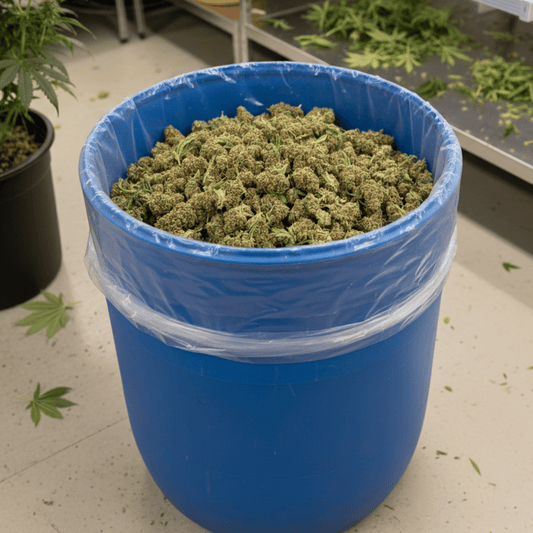
  • Container size and fill level
  • Initial aroma impression
  • Moisture release (noticeable / minimal / none)
  • Reseal condition

This data builds a picture of how each lot behaves during cure.

Why Inventory Tagging Matters More Than Timing

Two bins cured on the same day can behave completely differently.

That’s why cure SOPs rely on tagging systems instead of calendar-based schedules. Tags connect:

  • Harvest date
  • Dry duration
  • Initial moisture condition
  • Handling history

When flower moves between rooms, staff, or containers, tags preserve context.

How Teams Avoid Mixed-Lot Curing Mistakes

One of the most expensive errors in curing is combining lots that “look similar.”

Even small differences in dry time or moisture content can cause:

  • Uneven cure progression
  • Condensation inside containers
  • Aroma inconsistency across finished product

Inventory SOPs prevent this by enforcing one rule: lots only move forward together if their logs match.

Burp Logs Reveal Problems Early

Logs don’t just document success—they flag trouble.

Warning signs include:

  • Repeated moisture release after expected stabilization
  • Aroma flattening instead of improving
  • Condensation events after resealing
  • Needing more frequent burps over time

These patterns are invisible without written records.

Why the Best Cures Are the Most Boring

Successful curing looks uneventful in a log.

Entries become shorter. Moisture release slows. Aroma stabilizes. Containers remain sealed longer between checks.

This “boring” progression is exactly what teams aim for—and exactly what logs confirm.

Consistency Is the Real Goal of Curing SOPs

Burp logs don’t exist to micromanage flower. They exist to remove uncertainty.

When teams can trace every cure outcome back to documented handling decisions, quality stops being a mystery—and starts becoming repeatable.


Frequently Asked Questions

What is a burp log in cannabis curing?

A burp log is a written or digital record of when containers are opened during curing and how the flower responds.

Is a burp schedule the same as a burp log?

No. A schedule predicts timing, while a log records actual outcomes.

Do small grows need burp logs?

They’re optional for small grows but essential for commercial teams managing multiple lots.

What happens if you over-burp cannabis?

Over-burping can dry flower too quickly, stall curing, and flatten aroma.

Can burp logs prevent mold?

They help identify moisture problems early, reducing mold risk before it escalates.

Should burp logs be paper or digital?

Either works—as long as entries are consistent, accessible, and tied to specific lots.

How long should burp logs be kept?

Most commercial operations retain logs through packaging and post-sale quality reviews.

Comments

No comments

Leave a comment
Your Email Address Will Not Be Published. Required Fields Are Marked *

10.4K Followers
Subscribe Us
Subscribe to our newsletter and receive a selection of cool articles every weeks