

Easy to order great service great product equals very happy customer
Static Shock in Cannabis Handling: Why Trichomes Disappear Before Packaging
If your flower looks great at harvest but loses frost, aroma, or visual appeal before it ever reaches packaging, static electricity may be the silent culprit.
Static shock is one of the least discussed—but most costly—issues in post-harvest cannabis handling. Unlike moisture loss, mold, or oxidation, static damage doesn’t leave obvious fingerprints. Instead, it quietly pulls trichomes off your flower and redistributes them onto gloves, bins, tables, clothing, and liners.
This article breaks down how static electricity forms during cannabis processing, why trichomes are especially vulnerable, and how commercial operations can minimize losses without slowing workflow.
What Causes Static Shock During Cannabis Handling?
Static electricity builds when two materials repeatedly contact and separate—especially in low-humidity environments. In post-harvest rooms, this happens constantly:
- Flower brushing against plastic bins or liners
- Hands moving in and out of gloves
- Buds sliding across tables, trays, or scales
- Dry air circulating during trimming or staging
When relative humidity drops, the air loses its ability to dissipate electrical charge. The result is static buildup that attracts lightweight particles—like trichome heads.
Why Trichomes Are So Vulnerable to Static
Trichomes are microscopic, resin-filled structures designed to break away easily. That’s great for extraction—but terrible for handling.
Static charge doesn’t “damage” trichomes in the traditional sense. Instead, it causes:
- Trichomes lifting off flower surfaces
- Resin sticking to gloves, sleeves, bins, or liners
- Uneven frost loss across batches
- Duller appearance by the time product reaches packaging
Because this loss is gradual and invisible in the moment, teams often blame trimming speed, bag choice, or genetics—when static is the real issue.
When Static Loss Is at Its Worst
Static shock problems spike under very specific conditions:
- Low relative humidity (typically below 45%)
- Cold, dry seasons or aggressively dehumidified rooms
- High plastic contact during bucking, trimming, or staging
- Fast repetitive motion (high-volume processing)
Ironically, many of these conditions are present in operations trying to protect flower from mold—making static a hidden tradeoff.
Common Static Traps in Post-Harvest Workflows
Static doesn’t come from one single mistake. It builds across a workflow:
- Plastic bin walls accumulating charge over time
- Disposable gloves generating friction during trimming
- Dry air stripping charge-dissipating moisture
- Over-handling flower during staging and transfers
Once charge is present, trichomes move toward whatever surface is most attractive electrically—not necessarily where you want them.
How Commercial Operations Reduce Static Without Slowing Down
Solving static issues doesn’t require exotic equipment or drastic environmental changes. Most fixes are procedural:
- Maintaining moderate RH in handling areas (not dry rooms)
- Limiting unnecessary transfers between containers
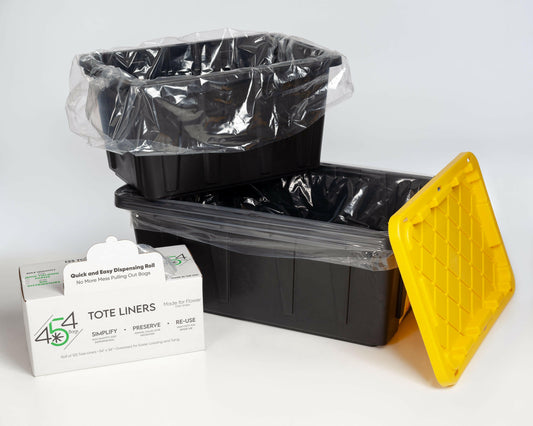
- Using liners and bins designed to reduce surface friction
- Rotating gloves more frequently during long sessions
- Staging flower in controlled zones instead of open tables
The goal isn’t to eliminate static entirely—it’s to reduce charge buildup before it reaches the point where trichomes migrate.
Why Static Loss Shows Up as “Quality Drift”
One of the most frustrating aspects of static damage is how it presents:
- Early batches look frostier than later ones
- Visual appeal drops across a shift
- Flower smells weaker despite correct storage
- No obvious environmental numbers look “wrong”
This slow degradation is often misattributed to curing, bag choice, or genetics—when the real issue is charge accumulation during handling.
Static Control Is About Consistency, Not Perfection
Static shock doesn’t ruin cannabis overnight. It quietly chips away at quality with every contact point. The operations that preserve trichomes best aren’t static-free—they’re static-aware.
By understanding when and where static forms, teams can protect visual quality, terpene presence, and bag appeal long before packaging ever happens.
Frequently Asked Questions
Does static electricity really remove trichomes from cannabis?
Yes. Trichomes are extremely lightweight and can be pulled off flower surfaces by static charge, especially in dry environments.
Is static worse in winter or cold rooms?
Static is worse when air is dry. Cold seasons and heavily dehumidified rooms often create ideal conditions for static buildup.
Can static damage affect potency?
Trichomes contain cannabinoids and terpenes. When they detach and stick to surfaces instead of staying on flower, overall potency and aroma can be reduced.
Do gloves increase static when trimming cannabis?
Yes. Repeated friction between gloves, flower, and plastic surfaces contributes significantly to static buildup during trimming.
Why does flower look less frosty by the time it’s packaged?
Static loss often occurs gradually during handling and staging, not during drying or storage.
Is static more of a problem in high-volume operations?
Yes. Faster movement, more transfers, and longer shifts increase opportunities for charge buildup and trichome migration.
Can humidity alone fix static issues?
Humidity helps, but static control also depends on workflow design, surface materials, and minimizing unnecessary contact.
ไม่มีความคิดเห็น


0 comments