Compression Damage in Cannabis Transport: Why Pounds Lose Shape, Color, and Value

0 comments

Compression Damage in Cannabis Transport: Why Pounds Lose Shape, Color, and Value

When flower leaves the cure room looking perfect but arrives flat, darkened, or lifeless, compression damage—not storage failure—is often the real culprit.

Compression damage is one of the most misunderstood causes of post-harvest quality loss. It doesn’t involve mold, moisture, or terpene evaporation. Instead, it’s a physical breakdown caused by pressure during staging, transport, and storage.

This article explains how compression damages cannabis flower, where it happens most often, and how commercial teams prevent it without sacrificing efficiency.

What Is Compression Damage?

Compression damage occurs when cannabis flower is subjected to sustained pressure that deforms its structure.

Common symptoms include:

  • Flattened or misshapen buds
  • Darker or browned exterior color
  • Loss of visible trichome definition
  • Reduced bag appeal and perceived quality

Once compressed, flower does not rebound.

Why Cannabis Is Vulnerable to Compression

Dried and cured flower appears firm, but internally it remains fragile. The calyx structure is supported by air space, resin heads, and delicate plant tissue.

When pressure is applied:

  • Air pockets collapse
  • Trichomes smear or fracture
  • Plant material compacts permanently

This damage is mechanical, not chemical.

Where Compression Damage Actually Happens

Most compression damage does not occur in transit—it happens before shipping ever begins.

High-risk points include:

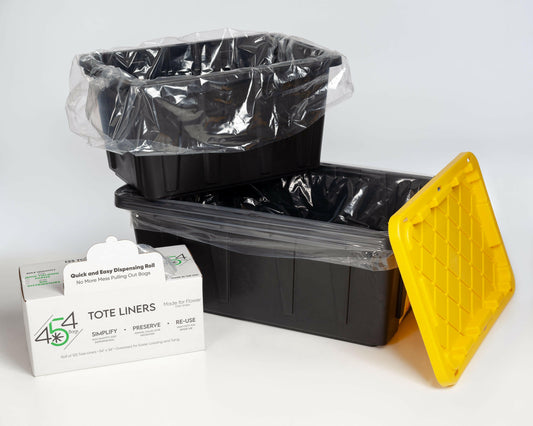
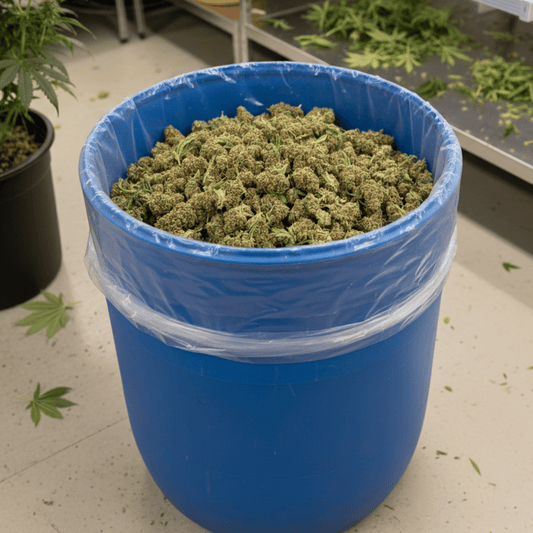
  • Overfilled bags or liners
  • Stacked bins during staging
  • Heavy containers placed on top of flower
  • Long dwell times under load

Even moderate pressure becomes destructive when applied for extended periods.

Why Overpacking Is a Major Risk Factor

Overpacking increases internal pressure even before external weight is added.

When flower is packed too tightly:

  • Buds compress against each other
  • Surface trichomes are crushed
  • Outer layers darken from friction and pressure

Adding stacked weight compounds the damage.

Compression vs. Moisture or Oxidation

Compression damage is often misdiagnosed as moisture problems or oxidation.

Key differences:

  • Compression flattens buds without increasing moisture
  • Color changes occur without musty or sour odors
  • Aroma may remain intact while visual quality drops

This leads teams to “fix” the wrong problem.

Why Transport Makes Compression Worse

Transport introduces vibration, shifting loads, and prolonged pressure.

During transit:

  • Stacked containers settle further
  • Weight redistributes unevenly
  • Flower remains compressed for hours or days

Even well-packed loads can suffer if stacking limits aren’t enforced.

How Commercial Operations Prevent Compression Damage

Professional teams design transport systems around load limits, not just capacity.

Common prevention strategies include:

  • Defined fill weights per container
  • Maximum stacking heights
  • Rigid outer support to distribute weight
  • Short staging times under load
  • Separating flower from heavy equipment or supplies

These controls protect both quality and consistency.

Why Compression Damage Is a Financial Problem

Compressed flower often tests fine—but sells worse.

Consequences include:

  • Reduced wholesale pricing
  • Rejected lots due to appearance
  • Brand reputation damage

Because compression isn’t visible immediately, losses often go untraced.

Protecting Structure Is Protecting Value

Bud structure is part of product quality.

Preventing compression requires operational discipline, not new technology—and it starts long before flower enters a truck.


Frequently Asked Questions

Can compressed cannabis recover its shape?

No. Once structural collapse occurs, buds do not rebound.

Does compression affect potency?

Potency may remain similar, but trichome damage can affect surface resin and appearance.

Is compression worse with drier flower?

Yes. Drier flower is more brittle and collapses more easily under pressure.

Does vacuum sealing cause compression damage?

It can if pressure is excessive or sustained without structural support.

Why do buds look darker after transport?

Pressure smears trichomes and compresses plant tissue, altering how light reflects off the surface.

Is stacking the biggest risk factor?

Yes. Vertical load over time is the most common cause of compression damage.

How can I identify compression damage early?

Look for flattened buds, uniform pressure marks, and color darkening without odor changes.

Comments

ไม่มีความคิดเห็น

Leave a comment
Your Email Address Will Not Be Published. Required Fields Are Marked *

10.4K Followers
สมัครสมาชิกกับเรา
สมัครรับจดหมายข่าวของเราและรับบทความดีๆ มากมายทุกสัปดาห์