


Understanding Dry-Back: The Irrigation Strategy That Builds Bigger Roots and Better Flower

0 comments

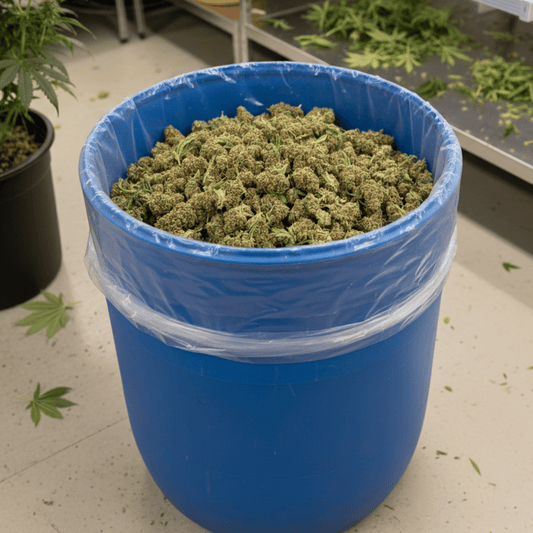
Close-up of healthy cannabis buds in an indoor grow room, showing the plant growth results of proper dry-back and irrigation control.

Most growers talk about nutrients, lighting, and genetics—but one of the strongest levers for yield isn’t what you feed the plant. It’s how the growing medium dries between irrigations. This “dry-back” controls root development, nutrient uptake, plant structure, and even the consistency of the final harvest.

When you dial in dry-back, everything from veg speed to flower density improves. When you ignore it, your medium silently swings between overwatering and salt buildup. This guide breaks down how dry-back actually works and how top growers use it to control growth with precision.

What Is Dry-Back in Cannabis Cultivation?

Dry-back refers to how much moisture the growing medium loses between irrigation events. In simple terms: how far the pot or slab dries out before you water again.

It’s not random. Dry-back directly shapes:

  • Root density and structure
  • Water and nutrient uptake
  • Plant size and vigor
  • Flower stacking
  • Salt concentration in the root zone
  • How consistent plants become across the entire room

The goal is not to “keep the pot wet” or “let it fully dry” — the goal is controlled fluctuation.

How Dry-Back Affects Root Development

Roots need oxygen as much as they need water. When the medium dries slightly, oxygen fills the pore spaces, signaling roots to expand. When it stays too wet, roots suffocate and slow down.

Shallow but consistent dry-backs:

  • Create dense, fine root structure
  • Improve nutrient uptake efficiency
  • Prevent overwatering stress

Overly deep dry-backs:

  • Spike EC levels
  • Cause drooping and wilt stress
  • Trigger early senescence

Healthy roots = predictable performance later in flower.

Dry-Back Impacts on EC and Nutrient Balance

As the medium dries, nutrient salts become more concentrated. A controlled dry-back increases EC slightly and encourages plants to uptake more food.

But if dry-back goes too far, the spike becomes extreme, and a single irrigation won’t correct it. This is where many “mystery deficiencies” start.

Monitoring moisture prevents these silent EC swings.

Different Stages of Growth Need Different Dry-Backs

Dry-back is not one-size-fits-all. Each growth phase wants a different rhythm.

Veg Stage

Plants in veg benefit from stronger dry-backs because they encourage rapid root expansion. A slightly deeper dry-back builds a strong foundation for flower.

Transition (Early Flower)

This is where precision matters most. Too deep of a dry-back slows stretch, while too shallow causes overly lush growth and weaker stems.

Mid-Flower

Moderate, consistent dry-back stabilizes EC and creates the ideal environment for stacking and density.

Late Flower

Consistency is key. Random dry-backs at this stage cause terpene loss, stress colorations, and uneven ripening.

How to Measure Dry-Back Accurately

You can’t manage what you can’t measure. Commercial growers don’t guess—they track dry-back as a percentage of water loss.

1. Weight Method (Most Accurate for Small Operations)

Weigh pots immediately after feeding, then again before the next feeding. The difference shows how much moisture was lost.

2. Moisture Meter Method

A moisture probe allows you to measure the exact level of saturation inside the medium—not just the surface.

3. Block-Style Monitoring (Rockwool/Slabs)

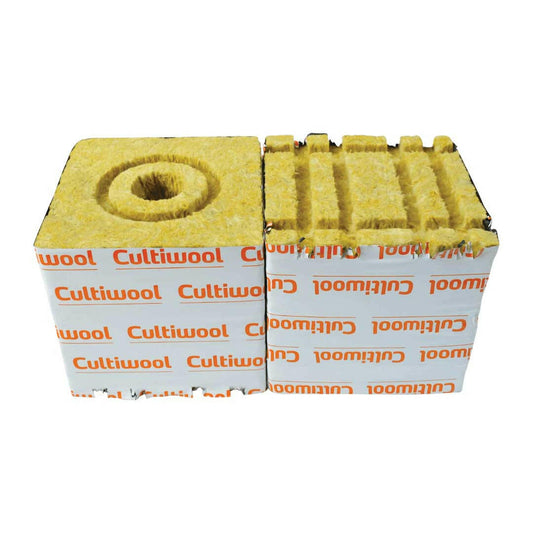
Rockwool provides easy dry-back tracking since slabs show moisture percentage directly. Most commercial grows target highly consistent dry-back windows daily.

Ideal Dry-Back Targets

Every medium responds differently, but here are general guidelines:

Coco Coir

Fast to rehydrate, fast to dry. A moderate dry-back keeps EC stable and oxygen available.

Rockwool

Highly sensitive. Small differences in dry-back create huge changes in EC, so consistency is everything.

Soil / Peat Mixes

Buffer more slowly. Deep dry-backs can stall growth, so aim for gentle fluctuations.

How Irrigation Frequency Shapes Dry-Back

Dry-back is ultimately controlled by how often and how much you irrigate.

Fewer, larger irrigations = deeper dry-back
More frequent, smaller irrigations = gentler dry-back

The trick is adjusting frequency throughout the cycle to shape the type of growth you want without causing EC spikes.

Common Dry-Back Problems and Fixes

1. Pots Drying Unevenly

  • Plants of different sizes drinking at different speeds
  • Uneven airflow around the canopy
  • Different media compaction levels

Fix: Group plants by size and adjust fan direction.

2. EC Spikes After Deep Dry-Back

This happens when salts accumulate during long dry periods.

Fix: Run slightly higher runoff volume for a day or two.

3. Plants Drooping Before Irrigation

Dry-back is too aggressive.

Fix: Reduce the depth or shorten the interval.

Why Dry-Back Matters for Final Quality

Plants that experience stable, predictable dry-back develop stronger roots, healthier metabolism, and more consistent nutrient balance. That reduces the variability you see at harvest—making drying smoother and curing more reliable later.

Dial in dry-back early, and you see the results all the way into the jar.

Comments

ไม่มีความคิดเห็น

Leave a comment
Your Email Address Will Not Be Published. Required Fields Are Marked *

10.4K Follower
สมัครสมาชิกกับเรา
สมัครรับจดหมายข่าวของเราและรับบทความดีๆ มากมายทุกสัปดาห์