Easy to order great service great product equals very happy customer
Understanding EC Drift: How Growing Media Quietly Change Nutrient Strength Over Time
Most growers check their nutrient EC at the reservoir and assume that number is what the plants receive. But in reality, the medium shifts that EC constantly. This hidden change—called EC drift—is one of the most common causes of mystery deficiencies, burned tips, uneven growth, and inconsistent yields.
What Is EC Drift in Cannabis Cultivation?
EC drift is the difference between the electrical conductivity (EC) of your input feed and the EC inside the growing medium after irrigation. The medium doesn’t simply “hold” nutrients—it actively changes them.
This means you can feed at 2.0 EC but your root zone may be sitting at 2.5, 3.0, or even higher depending on drying cycles, plant uptake, and the medium’s chemistry. That hidden shift is where most nutrient problems begin.
Why EC Drift Happens
Every growing medium interacts with water, nutrients, and salts differently. As the medium dries and rehydrates, salts accumulate, flush out, buffer, or bind to surfaces.
EC drift occurs because:
- Plants absorb water faster than nutrients → salt concentration rises
- Medium dries too far between irrigations → salts crystallize and stack
- Weak runoff → old salts remain in the root zone
- Coco coir exchanges cations → altering nutrient balance
- Overwatering → medium can’t flush properly
- Nutrient imbalance → certain minerals accumulate faster
When EC drifts upward, plants experience subtle toxicity. When EC drifts downward, the plant starves even if you're feeding “correctly.”
How EC Drift Affects Your Plants
EC drift doesn’t always cause immediate symptoms. It often builds quietly over several weeks until the room becomes a patchwork of different deficiencies and stress responses.
High root-zone EC causes:
- Burned tips
- Locked-out calcium or magnesium
- Slow, stunted growth
- Smaller flowers and poor stacking
- Low VPD tolerance and drooping
Low root-zone EC causes:
- Pale leaves
- Weak branches
- Hunger signs despite heavy feeding
- Thin buds
- Slow transition to flower
Most “random” deficiencies in cannabis grows are actually EC drift showing itself.
The Difference Between Input EC and Runoff EC
The easiest way to detect EC drift is by comparing:
- Input EC – what you feed the plant
- Runoff EC – what exits the pot after irrigation
Ideally, your runoff EC should be close to your feed EC. If it’s wildly higher or lower, you know the medium is altering nutrient levels in ways your plants feel long before you see symptoms.
Examples of EC drift (typical ranges)
- Feed EC: 2.0 → Runoff EC: 3.0 = salt buildup
- Feed EC: 2.0 → Runoff EC: 1.1 = medium stripping nutrients
- Feed EC: 2.0 → Runoff EC equal to 2.0 = stable zone
Catching drift early prevents weeks of hidden stress.
How Different Mediums Create Different EC Drift
1. Coco Coir
Coco naturally holds onto calcium and magnesium while releasing potassium. This creates drift if growers don’t compensate with proper Ca/Mg supplementation and dry-back timing.
2. Rockwool
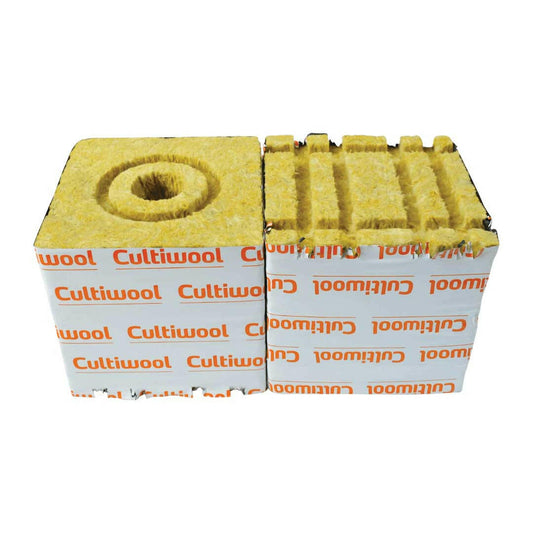
Rockwool doesn’t bind nutrients, but it magnifies drift through rapid dry-backs. If dry-backs run too deep, EC spikes extremely fast.
3. Soil
Soil buffers EC heavily, often hiding drift for long periods. Problems show up later but hit harder.
4. Soilless Blends
Peat/perlite mixes can swing depending on irrigation frequency — overwatering reduces flushing, underwatering produces salt spikes.
How to Control EC Drift Like a Commercial Grower
Most commercial cultivators don’t try to eliminate drift — they manage it to stay inside an acceptable range.
1. Track Feed EC and Runoff EC Daily
Even checking twice a week reveals patterns quickly.
2. Keep Dry-Backs Consistent
Wildly different dry-back depths → wildly different EC in each pot.
3. Increase Runoff on High-EC Days
A slight increase in runoff volume washes out old salts without drowning the medium.
4. Monitor Irrigation Timing
Many EC spikes come from feeding too late or too early in the light cycle.
5. Reset the Medium if EC Gets Out of Control
A controlled flush can restore balance — but only when necessary.
6. Use Moisture Meters to Match Irrigation Patterns
Moisture readings reveal whether EC drift is caused by uneven dry-back or uneven water retention.
Why EC Drift Matters After Harvest
EC drift doesn’t only affect growth — it affects final product quality. Plants with unstable EC produce buds with inconsistent density, terpene expression, and moisture behavior during drying.
Stable root-zone EC sets up a smoother drying curve, which helps reduce mold risk and curing issues after harvest.
Final Thoughts: EC Drift Is a Hidden But Fixable Yield Killer
EC drift is one of the least understood yet most important parts of cannabis cultivation. Once growers track the difference between what they feed and what the root zone actually experiences, their plants become more uniform, more resilient, and more predictable from batch to batch.
Control EC drift and your entire grow becomes more consistent.
Sin comentarios


0 comentarios