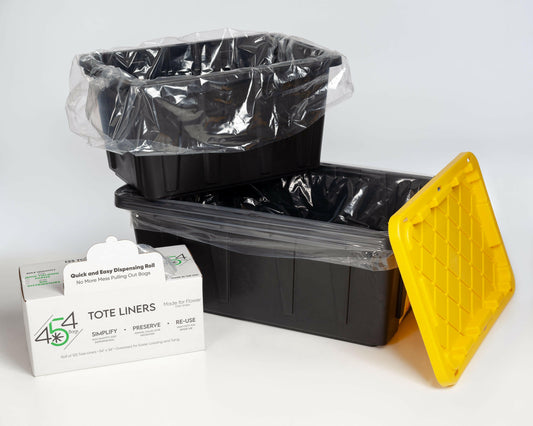
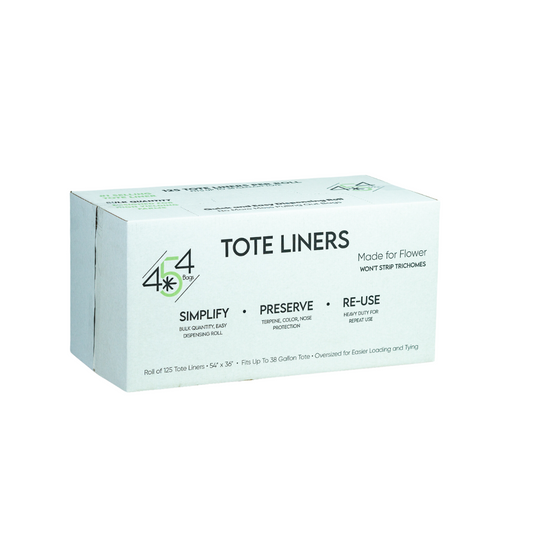
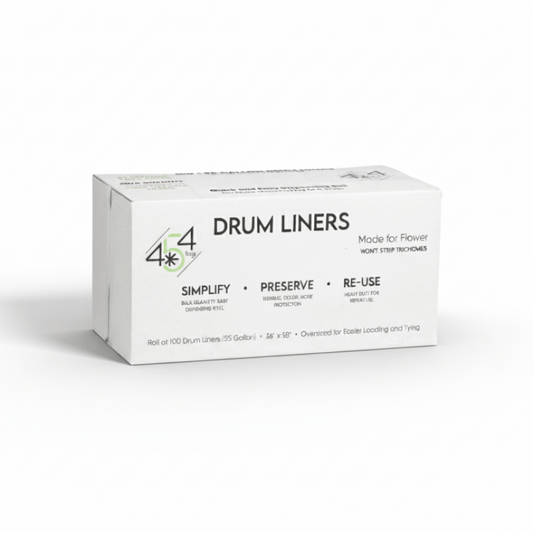
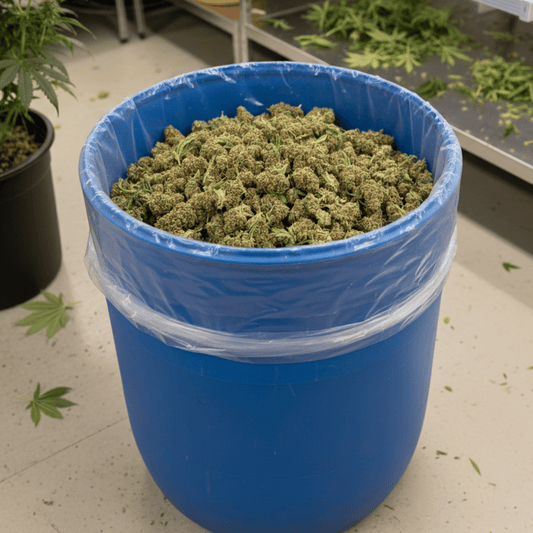
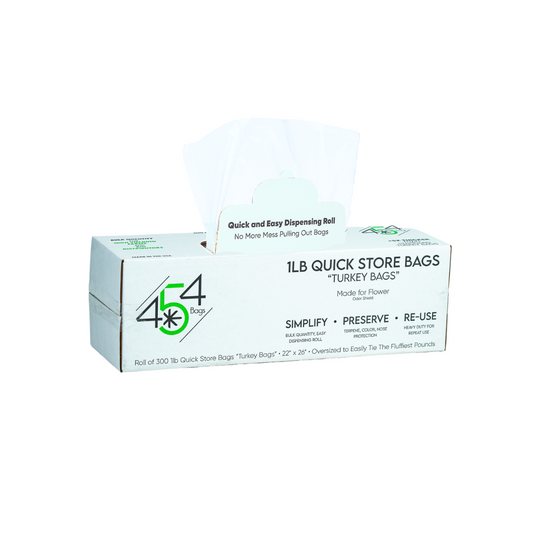
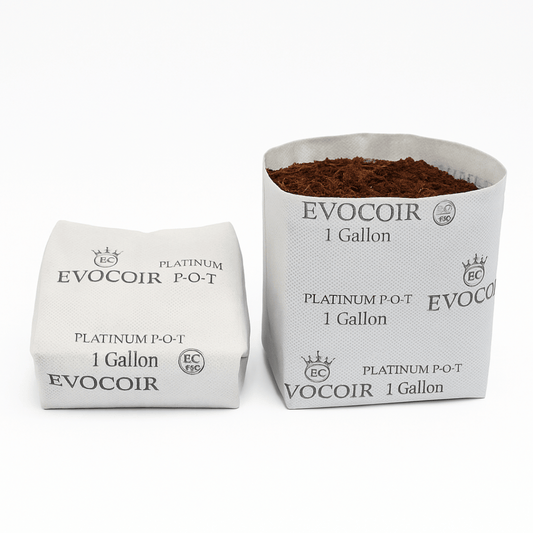
We are super happy with the liners. Has saved us so many man hours not having to wash totes. We will definatly keep using the liners
these are awesome for keeping your totes clean!
If your flower leaves the cure smelling clean but develops strange or muted aromas in storage, the problem may not be degradation—it may be contamination.
Terpenes are highly volatile and extremely absorbent. While most post-harvest conversations focus on terpene loss, far fewer address terpene contamination—when cannabis absorbs unwanted odors from its environment.
This article explains how off-aromas enter stored cannabis, why sealed flower isn’t always protected, and how commercial operations prevent environmental terpene contamination.
Terpene contamination occurs when cannabis absorbs external odors and volatile compounds from its surroundings. Unlike oxidation or evaporation, this doesn’t reduce terpene content—it alters it.
Common results include:
Once absorbed, these odors become part of the flower’s aromatic profile.
Cannabis flower has a massive surface area at the microscopic level. Trichomes, plant tissue, and residual moisture all act as receptors for airborne compounds.
Terpenes readily bind with:
This makes cannabis especially vulnerable in shared storage environments.
Most contamination doesn’t come from obvious hazards. It comes from everyday operations.
Even sealed containers can absorb odors over time if the surrounding air is contaminated.
Sealing flower limits airflow—but it doesn’t create an impenetrable barrier.
Over time:
This is why storage room conditions matter as much as the container itself.
Off-aromas caused by contamination are frequently blamed on:
In reality, the terpenes didn’t disappear—they were overridden.
Professional operations treat storage rooms like clean zones.
Common safeguards include:
Prevention is far easier than remediation.
Unlike moisture issues or minor oxidation, contamination cannot be “cured out.”
Once foreign aromas bond with flower:
This makes contamination one of the most expensive post-harvest mistakes.
Perfect drying and curing mean little if flower is stored in a contaminated environment.
The cleanest operations understand that aroma protection extends beyond bags—it includes air, surfaces, and everything surrounding finished product.
Yes. Over time, volatile compounds can migrate through packaging materials and enter container headspace.
This often comes from storage near cardboard boxes, plastics, or off-gassing materials.
No. Once absorbed, foreign odors remain part of the flower’s aroma.
Yes. Many cleaners release VOCs that cannabis readily absorbs.
Yes. Longer storage increases exposure time to ambient odors.
It reduces risk but does not eliminate it if storage environments are contaminated.
Contamination introduces foreign smells, while degradation dulls aroma without adding new notes.
Sin comentarios
0 comentarios