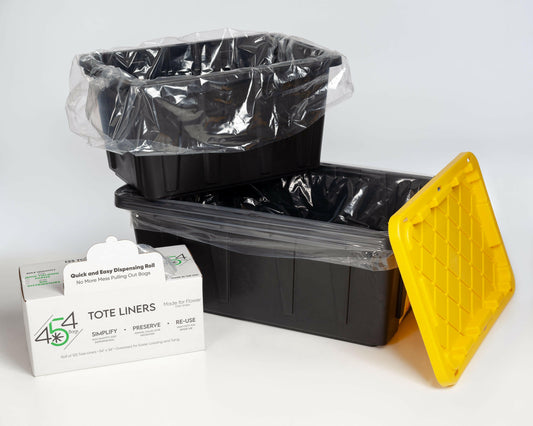
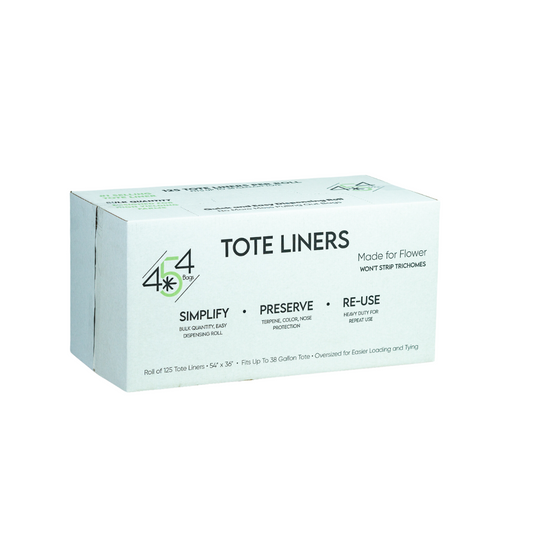
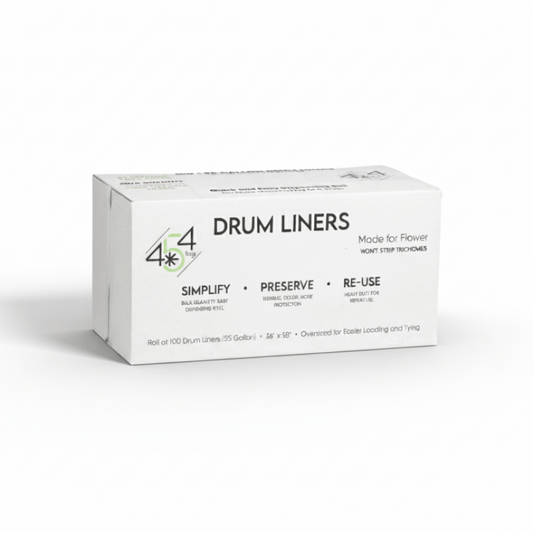
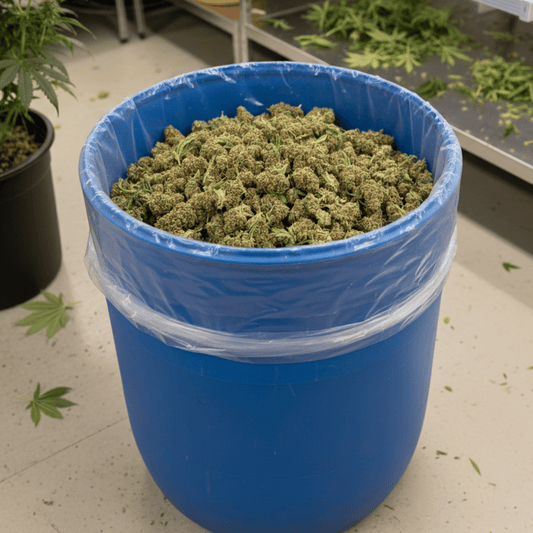
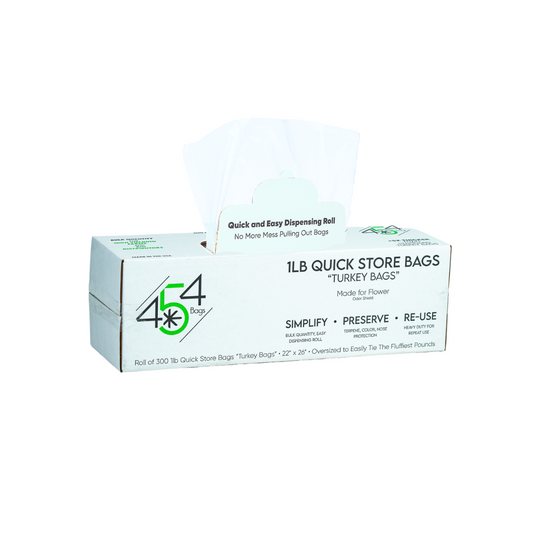
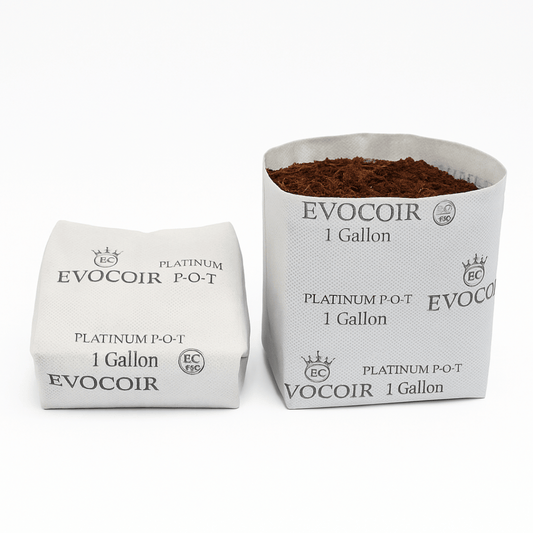
We are super happy with the liners. Has saved us so many man hours not having to wash totes. We will definatly keep using the liners
these are awesome for keeping your totes clean!
When cannabis feels dry, the instinct is to fix it. In most cases, that instinct causes more damage than the dryness ever did.
Rehydration is one of the most misunderstood topics in cannabis storage. From orange peels to humidity packs to misting flower, countless methods promise to “bring buds back to life.”
This article explains why dry cannabis cannot be truly rehydrated, what actually happens when moisture is reintroduced, and why most fixes reduce quality instead of restoring it.
Dry flower does not mean cannabis is empty or dead. It means free water has already left the plant structure.
At this stage:
These changes are structural—not reversible.
Adding moisture does not rebuild plant tissue.
When water is reintroduced:
This creates the illusion of recovery without restoring quality.
Most rehydration methods affect only the exterior of the bud.
This leads to:
Surface moisture is not the same as proper internal balance.
Rehydration frequently dulls aroma instead of improving it.
This happens because:
What smells “better” initially often fades quickly.
Popular methods that cause more harm than good include:
These approaches introduce uncontrolled moisture.
Mold doesn’t require high humidity—only localized moisture.
Rehydration creates:
Problems often appear days after the “fix.”
Dry cannabis can still be high quality.
Degraded cannabis has:
Rehydration does not reverse degradation—it often accelerates it.
Commercial teams focus on prevention, not repair.
Key practices include:
Once flower is dry, the goal becomes preservation—not restoration.
Most rehydration attempts trade short-term texture changes for long-term quality loss.
In commercial environments, this leads to:
Sometimes the safest choice is to leave dry flower alone.
No. Structural changes from drying cannot be reversed.
They can adjust surface moisture but do not restore internal structure.
Moisture can trap stale aromas and promote microbial activity.
Not necessarily. Dryness and degradation are different.
Potency may remain similar, but perceived quality often declines.
Yes. Localized moisture significantly increases mold risk.
Preserve it as-is and prevent further degradation.
Sin comentarios
0 comentarios