
Education·8 nóiméad léitheoireachta
How to Train New Staff to Handle Bulk Flower Without Damaging It
Learn how to train new cannabis staff to handle bulk flower without damaging product quality. This guide covers label checks, lifting methods, storage zones, re-bagging rules, overfilled bags, and simple SOPs for commercial post-harvest teams.
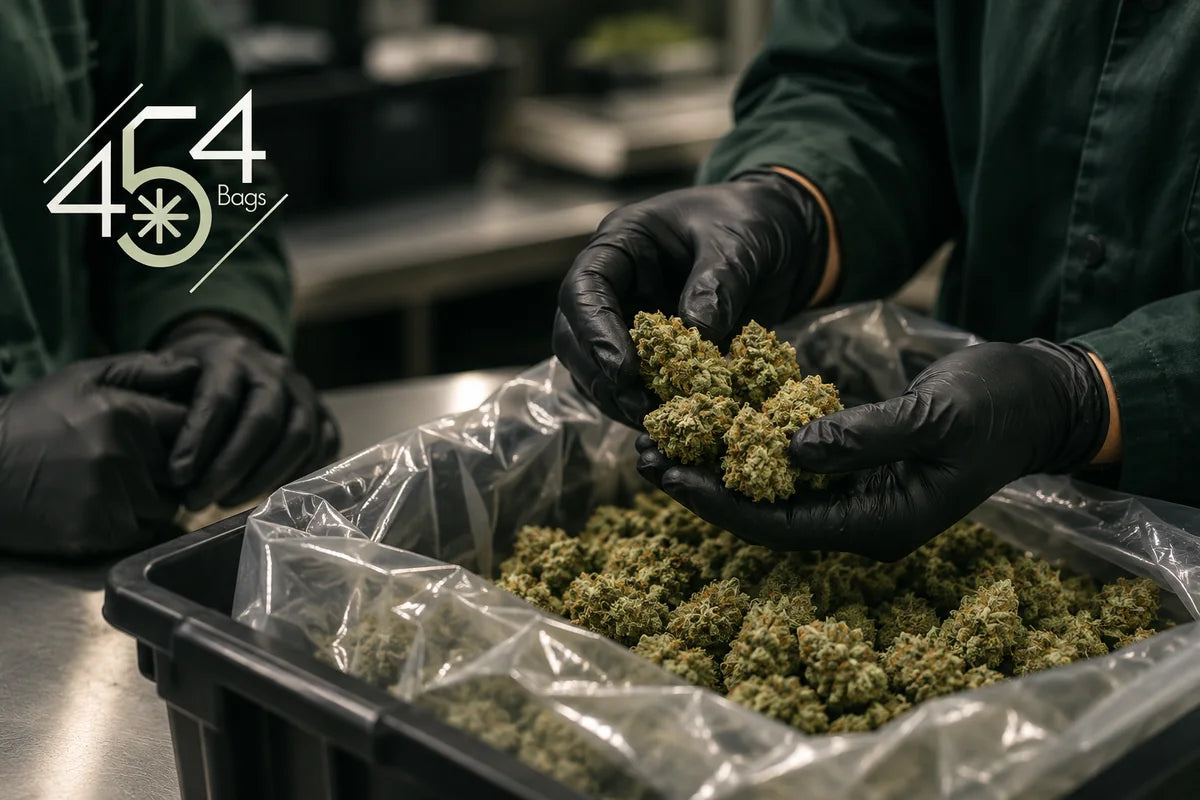
Commercial cannabis teams spend months growing, drying, curing, and preparing flower for market. But one careless move in the post-harvest room can undo a lot of that work. That is why every facility needs a clear training process for how to handle bulk flower without damaging it.
Bulk cannabis is easy to underestimate. Once flower is dried and stored, new staff may think it can be moved like any other inventory item. But cannabis flower still needs careful handling. Buds can be crushed, trichomes can break away, aroma can weaken, bags can be overfilled, and batches can get mixed if employees are not trained correctly.
This guide explains how commercial cannabis teams can train new staff to handle bulk flower with better care, consistency, and accountability from storage to fulfillment.
Why Staff Training Matters for Bulk Flower
Post-harvest damage often comes from small habits repeated over time. A bag gets dragged instead of lifted. A tote is stacked too tightly. A batch is opened without a reason. Flower is poured too aggressively. Labels are checked after the product moves instead of before.
These mistakes may not seem serious in the moment, but they can hurt buyer presentation and reduce product value. When bulk flower looks compressed, dusty, broken, or poorly organized, buyers may question how the product was handled inside the facility.
Training new staff to handle bulk flower correctly helps reduce:
- Crushed or flattened buds
- Excess shake and broken material
- Unnecessary re-bagging
- Batch confusion
- Weak buyer presentation
- Inventory mistakes
- Storage room disorganization
Start With the Value of the Product
Before new employees touch bulk flower, they should understand what they are handling. A bulk bag is not just a bag of plant material. It may represent months of cultivation work, labor, testing, storage, and wholesale value.
When staff understand the value of the product, they are more likely to move slowly, follow labels, and avoid careless handling. Training should explain that bulk flower quality is judged by more than weight. Buyers notice aroma, structure, cleanliness, consistency, and presentation.
A simple mindset shift can help: every bag should be treated like a finished product, not a temporary container.
Teach Staff to Check Labels Before Moving Anything
One of the first rules for handling bulk flower is simple: check the label before moving the bag. New staff should never move product without knowing what it is, where it belongs, and whether it is approved to move.
Labels should be visible, readable, and consistent. Staff should be trained to confirm key details before touching the product, including strain name, batch number, harvest date, weight, and status.
Train employees to ask:
- What batch is this?
- What is the product status?
- Where is this bag supposed to go?
- Does the label match the storage log or order?
- Does a manager need to approve this move?
This habit helps prevent batch confusion and unnecessary movement. It also teaches new staff that storage rooms are controlled areas, not places where bags get shifted randomly.
Show the Right Way to Lift and Move Bulk Bags
Bulk flower should be moved carefully and with purpose. New employees should be trained not to drag bags, toss bags, squeeze bags into tight spaces, or stack weight directly on flower.
The correct method depends on the bag size, room layout, and storage system, but the goal is always the same: move product without crushing or disturbing it more than necessary.
Staff should be trained to:
- Lift bags from supported areas instead of pulling from weak points
- Keep bags upright when possible
- Avoid dropping or sliding bags across rough surfaces
- Use carts, bins, or team lifting when needed
- Move one batch at a time unless directed otherwise
- Place bags gently into their assigned storage zone
Good handling habits protect bud structure and reduce the amount of loose material that builds up at the bottom of the bag.
Train Staff Not to Overfill Bags
Overfilled bags are one of the easiest ways to damage bulk flower. New staff may think filling a bag as much as possible saves space or saves supplies. In reality, overfilling can compress buds, make bags harder to move, and increase the chance of re-bagging later.
Training should show employees what a properly filled bag looks like. They should understand that the goal is not to force as much flower as possible into one container. The goal is to protect the product while keeping storage organized and efficient.
A properly filled bag should be easier to handle, easier to label, easier to inspect, and less likely to crush the flower inside.
Limit Who Can Open Stored Flower
Not every employee should open stored bulk flower. Opening bags without a clear reason can create extra exposure, increase handling, and make inventory harder to control.
New staff should be trained that opening a bag requires a purpose. That purpose may include inspection, weighing, order fulfillment, sampling, or approved quality review. If there is no clear reason, the bag should stay sealed.
Your training should define:
- Who is allowed to open stored flower
- When a bag can be opened
- How the opening should be logged
- How the bag should be resealed
- Who updates the product status afterward
This reduces unnecessary handling and helps protect the first impression buyers get when the bag is opened for inspection or fulfillment.
Explain Why Re-Bagging Should Be Avoided
New employees may not understand why re-bagging matters. To them, moving flower from one bag to another may seem harmless. But each transfer can create breakage, shake, label mistakes, and lost time.
Training should explain that re-bagging bulk flower should only happen when there is a clear reason. For example, a damaged bag may need to be replaced, an order may need to be split, or a batch may need to be moved into the correct storage setup.
Staff should not re-bag flower because a bag is inconvenient, because the wrong size was used, or because a product was placed in the wrong zone without approval. Those problems should be corrected through better workflow planning, not random transfers.
Use Storage Zones to Keep Staff Organized
Storage zones make training easier. When the room is clearly divided by product status, new staff have a better chance of placing bulk flower in the right area.
Common zones include:
- Incoming product
- Pending review
- Approved bulk storage
- Held for quality check
- Ready for fulfillment
- Rework or rejected product
Each zone should be clearly explained during training. New staff should know what each zone means, who controls it, and whether product can be moved in or out without approval.
Teach Staff to Spot Handling Problems Early
New employees should also learn how to recognize handling problems before they get worse. They do not need to become quality managers overnight, but they should know when to stop and ask for help.
Train staff to report:
- Torn or damaged bags
- Missing or unreadable labels
- Overfilled bags
- Product in the wrong zone
- Excessive loose material
- Crushed or flattened flower
- Bags that do not match inventory records
The goal is to catch issues early. A new staff member who reports a problem quickly is helping protect the batch, the workflow, and the buyer experience.
Create a Simple Bulk Flower Handling SOP
Training works best when it is supported by a written process. A bulk flower handling SOP gives new employees something clear to follow instead of relying on memory or guessing based on what other people do.
Your SOP should include:
- How to read and verify labels
- Who can move stored product
- How bags should be lifted and transported
- How much product should go into each bag
- When bags can be opened
- How re-bagging is approved and documented
- Where each product status belongs in storage
- Who updates inventory after movement
A simple SOP makes training repeatable. It also helps managers correct mistakes without turning every issue into a debate.
Use Shadow Training Before Independent Work
New staff should not handle bulk flower alone on day one. Shadow training gives them a chance to watch an experienced employee move, label, inspect, and store product correctly.
During shadow training, the trainer should explain each step out loud. Why are they checking the label first? Why are they using a cart instead of dragging the bag? Why is the bag going into one zone instead of another? Why does the movement need to be logged?
This helps new employees understand the reason behind the process, not just the steps.
Review Mistakes Without Creating Bad Habits
Mistakes will happen, especially during busy harvest periods. The important thing is to correct them quickly before they become normal habits.
If a new employee drags a bag, skips a label check, places product in the wrong zone, or opens flower without approval, the correction should be immediate and clear. Explain what went wrong, why it matters, and what the correct process is.
Do not let bad handling become part of the culture. Once careless movement becomes normal, it becomes harder to fix later.
Bulk Flower Handling Training Checklist
Use this checklist when training new staff to handle bulk flower:
- Explain the value of bulk flower before handling starts
- Teach staff to check labels before moving anything
- Show the correct way to lift, carry, and place bags
- Train employees not to overfill bags
- Limit who can open stored flower
- Explain why unnecessary re-bagging should be avoided
- Use clear storage zones by product status
- Train staff to report damaged bags, bad labels, or misplaced product
- Use a written SOP for consistency
- Require shadow training before independent handling
Protect the Product After the Grow Is Done
Learning how to handle bulk flower correctly is one of the most important parts of post-harvest training. Strong genetics, careful cultivation, and a clean dry room can still lose value if the product is handled carelessly in storage.
Commercial cannabis teams should train new staff to move slowly, check labels, avoid overfilling, limit re-bagging, and treat every bulk bag like finished product. These habits help protect flower structure, reduce confusion, and improve buyer presentation.
454 Bags helps commercial growers support better post-harvest workflows with bulk storage bags, tote liners, and harvest supplies built for real cannabis operations. When your staff has the right process and the right supplies, every batch has a better chance of reaching buyers in the condition it deserves.


Plé na léitheoirí 0