
Education·8 nóiméad léitheoireachta
How to Build a Post-Harvest Handoff SOP for Commercial Cannabis Teams
Learn how to build a post-harvest handoff SOP for commercial cannabis teams. This guide covers transfer points, labels, storage zones, team responsibilities, product checks, and documentation to keep flower organized from dry room to fulfillment.
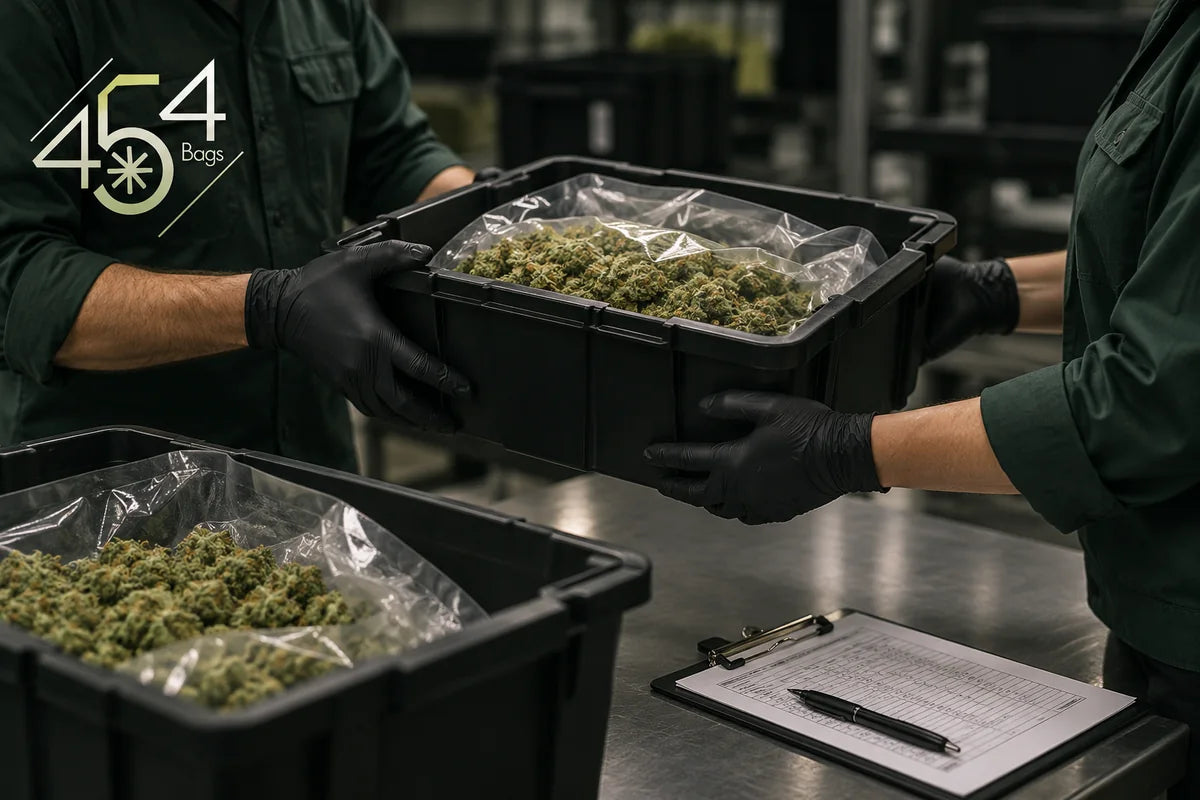
A strong harvest can still lose value if the handoff between teams is messy. That is why every commercial grow should have a clear post-harvest handoff SOP. Once flower leaves the dry room, it may pass through trimming, weighing, storage, inventory, quality checks, and fulfillment. If each team handles the product differently, small mistakes can turn into big losses.
A post-harvest handoff SOP gives your team a repeatable process for moving cannabis from one stage to the next. It helps protect flower structure, preserve buyer presentation, reduce batch confusion, and keep storage rooms organized during the busiest weeks of the season.
This guide breaks down how to build a post-harvest handoff SOP for commercial cannabis teams, including roles, transfer points, labels, storage checks, and documentation.
What Is a Post-Harvest Handoff SOP?
A post-harvest handoff SOP is a written process that explains how cannabis moves from one team, room, or workflow stage to another after harvest. It defines who is responsible for the product, what information must be recorded, how flower should be handled, and where each batch should go next.
Without a clear SOP, teams often make decisions on the fly. One person may move flower to clear space. Another may label a bag differently. Another may open a batch for inspection without logging it. These small inconsistencies create confusion and can affect the final product experience.
A strong post-harvest handoff SOP keeps everyone aligned. The goal is not to make the process complicated. The goal is to make the process consistent.
Why Commercial Cannabis Teams Need a Handoff Process
Commercial cannabis operations depend on timing. Dry rooms fill up. Trim teams need product ready. Storage rooms need clean zones. Sales teams need accurate inventory. Fulfillment teams need to know which batches are approved, held, or ready to ship.
When the handoff is unclear, product can sit in the wrong place, move too many times, or lose traceability. This creates risk for quality, inventory accuracy, and buyer trust.
A post-harvest handoff SOP helps prevent:
- Batch mix-ups between rooms or teams
- Unnecessary re-bagging and extra handling
- Inconsistent labels or missing batch information
- Overfilled bags that compress flower
- Inventory delays after product enters storage
- Confusion between approved, held, and sales-ready product
- Weak buyer presentation caused by poor handling
Step 1: Map Every Post-Harvest Transfer Point
The first step in building a post-harvest handoff SOP is mapping every point where flower changes hands. Each transfer point is a place where quality can be protected or damaged.
Start by listing the full path your flower takes after harvest. For many commercial teams, the workflow looks something like this:
- Harvest team to dry room
- Dry room to trim team
- Trim team to weighing or quality check
- Quality check to bulk storage
- Storage to inventory review
- Inventory to sales or fulfillment
- Fulfillment to buyer pickup or shipment
Once the workflow is mapped, look for the weak points. Where does product wait the longest? Where do labels get inconsistent? Where does flower get moved more than once? Where do bags get opened without a clear reason?
Your SOP should solve those problems before harvest pressure makes them worse.
Step 2: Assign Ownership at Each Stage
A handoff only works when each team knows who owns the product at each stage. If responsibility is vague, mistakes become harder to trace and easier to repeat.
Your post-harvest handoff SOP should name the role responsible for each part of the workflow. This does not always need to be a specific person. In many facilities, it can be a department or job title.
For example:
- The dry room lead releases flower for the next stage
- The trim lead confirms received batches
- The inventory lead verifies weight and labels
- The storage lead places product in the correct zone
- The fulfillment lead confirms approved batches before orders leave
This creates accountability. When everyone knows who signs off at each stage, fewer bags get moved randomly and fewer batches get lost in the shuffle.
Step 3: Standardize Labels Before Product Moves
Labels are one of the most important parts of a post-harvest handoff SOP. Every bag, tote, liner, or storage container should follow the same labeling system before it leaves one stage and enters another.
Do not wait until product reaches storage to fix labels. If a batch moves through multiple rooms with incomplete information, the risk of confusion increases with every step.
At minimum, each label should include:
- Strain name
- Batch or lot number
- Harvest date
- Dry room or source room
- Current stage or status
- Weight
- Date moved into storage
- Hold, review, or approved status
Clear labels make the entire operation faster. Inventory teams can find product quickly, storage teams can rotate batches correctly, and fulfillment teams can pull the right flower without second guessing.
Step 4: Create a Product Condition Check
Every handoff should include a basic product condition check. This does not need to slow the team down. It simply confirms that flower is moving forward in the expected condition.
The receiving team should check for obvious issues before accepting the batch into the next stage. If something looks wrong, smells off, feels inconsistent, or appears damaged, it should be flagged before the product disappears into storage.
Your condition check can include:
- Aroma consistency
- Visual appearance
- Bud structure
- Loose shake or excessive broken material
- Bag condition
- Label accuracy
- Weight confirmation
- Storage status
This step helps catch problems early. It also protects teams from blaming the wrong stage later if a batch arrives damaged or mislabeled.
Step 5: Reduce Unnecessary Handling
One of the main goals of a post-harvest handoff SOP is reducing unnecessary handling. Every extra transfer can affect flower structure, presentation, and consistency. If product is moved without purpose, opened too often, or re-bagged repeatedly, the risk of damage increases.
Your SOP should explain when flower can be moved, who can move it, and why it is being moved. This prevents bags from being shuffled around just to make temporary space.
Commercial teams should avoid:
- Moving bags without updating inventory
- Opening stored flower without logging the reason
- Re-bagging product because the correct supplies were not ready
- Stacking bulk bags in ways that crush flower
- Leaving product in temporary staging areas too long
Better planning means fewer emergency decisions. Fewer emergency decisions means better product protection.
Step 6: Define Storage Zones by Product Status
Storage rooms should not be one open area where every batch lands. Your post-harvest handoff SOP should define storage zones by product status so every team knows where product belongs.
Common storage zones include:
- Incoming product
- Pending review
- Approved for storage
- Held for quality check
- Ready for sales
- Ready for fulfillment
- Rejected or rework product
Clear zones reduce confusion. They also make it easier for managers to walk the room and understand what is happening without opening every bag or asking five different people.
Step 7: Document Every Handoff
If a batch moves, the move should be documented. This is one of the simplest ways to improve traceability in a commercial cannabis facility.
Your handoff log does not need to be complicated. It just needs to capture the key details that help your team track the batch from one stage to the next.
A basic handoff log can include:
- Date and time of transfer
- Batch or lot number
- Strain name
- Weight moved
- Source room or team
- Receiving room or team
- Condition notes
- Name or initials of the person signing off
Good documentation protects the operation. If a buyer asks a question, a manager checks inventory, or a batch needs review, the team can trace the product instead of guessing.
Step 8: Train the Team Before Harvest Pressure Starts
A post-harvest handoff SOP only works if the team understands it before harvest season begins. Training should happen before the dry room fills up, not after the process is already behind.
Walk the team through each handoff stage. Show them how labels should look. Explain which bags or liners are used for each stage. Review how product should be moved, opened, sealed, and stored. Make sure every person understands when to flag a problem instead of pushing the batch forward.
Training should focus on simple, repeatable habits:
- Check the label before moving product
- Confirm the receiving area is ready
- Handle bulk flower carefully
- Never move product without documentation
- Keep approved, held, and ready-to-ship batches separate
- Report product concerns before the next handoff
Post-Harvest Handoff SOP Checklist
Use this checklist when building your post-harvest handoff SOP:
- Map every transfer point after harvest
- Assign responsibility at each stage
- Standardize labels before product moves
- Create a quick condition check for each handoff
- Reduce unnecessary transfers and re-bagging
- Define storage zones by product status
- Document each batch movement
- Train the team before harvest begins
- Review the SOP after every major harvest
Build a Better Handoff Before the Rush Begins
A post-harvest handoff SOP helps commercial cannabis teams protect product quality, reduce confusion, and move flower through the facility with more control. When each handoff is clear, your team spends less time fixing mistakes and more time protecting the value of the harvest.
454 Bags helps growers support cleaner post-harvest workflows with bulk storage bags, tote liners, and harvest supplies built for commercial operations. When your storage process is organized, your flower has a better chance of reaching buyers the way it should: clean, protected, and ready to move.


Plé na léitheoirí 0