
Dry & Cure·2 min read
Wet Trim vs. Dry Trim: Drying, Handling and Workflow Compared
Compare wet and dry cannabis trimming by workflow, drying conditions, handling and equipment. Choose a method using measured results from your own operation.
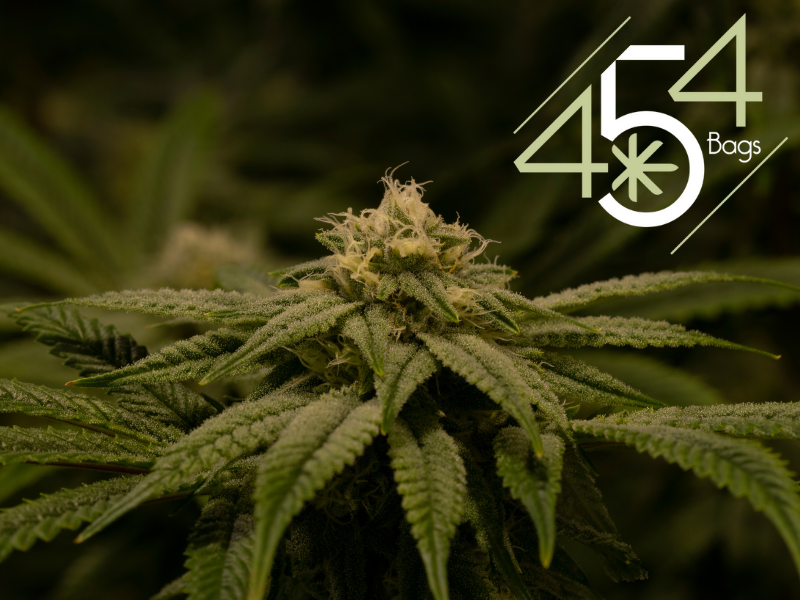
Wet trimming removes unwanted leaf material soon after harvest, before the flower dries. Dry trimming leaves the final detail work until after the drying stage. Both methods require careful handling; neither guarantees higher potency or better aroma.
Wet trimming: processing before drying
Fresh leaves are easier to distinguish from the flower, and removing them can reduce the amount of material occupying a drying area. The tradeoff is a concentrated labor requirement at harvest. Fresh resin can build up on tools, so cleaning and avoiding repeated contact with the flower matter.
Removing leaf material changes how a branch or bud dries. Wet trimming does not automatically mean slower drying. Room conditions, airflow, flower density, loading and how the material is arranged also affect the result.
Dry trimming: detail work after drying
Dry trimming spreads harvest and trimming work across separate stages. Leaves can curl around the flower during drying, which may make detail work slower. Dried material can also be brittle, so rough handling or excessive movement can dislodge surface material.
Dry trimming means trimming after the drying stage; it does not require waiting until the entire curing process is finished. Avoid using a fixed number of days as the only indication that a lot is ready.
Compare the methods against your actual constraints
| Decision | Wet trim | Dry trim |
|---|---|---|
| Labor | More trimming work at harvest | Detail work follows drying |
| Handling | Fresh resin can collect on tools | Brittle flower needs gentle handling |
| Drying setup | Leaf removal changes exposed surface and loading | Retained leaves change spacing and airflow needs |
| Quality assessment | Measure the finished result | Measure the finished result |
Use a small comparison before changing the whole harvest
- Compare representative material from the same lot and record the method used.
- Track drying-room conditions, loading, handling time and the measurement method used to assess the flower.
- Record labor, visible damage, trim loss and finished appearance.
- Use appropriate laboratory results when comparing potency or other analytical properties; appearance alone cannot establish them.
Keep drying, trimming and curing decisions separate
A room hygrometer measures air conditions. A material moisture meter and a water-activity instrument answer different questions about the flower. Use the instrument's instructions and your validated process to decide the next step. Packaging does not correct an unfinished drying process.
Next, see how to take consistent flower moisture readings and how to decide when a curing container needs attention. For equipment, compare the specifications in Harvest & Trim.


Reader discussion 0