
Dry & Cure·3 min read
Cannabis Burping Schedule: When to Check a Curing Container
Use lot condition and consistent measurements to decide when a curing container needs attention. Separate the opening decision from your recordkeeping SOP.
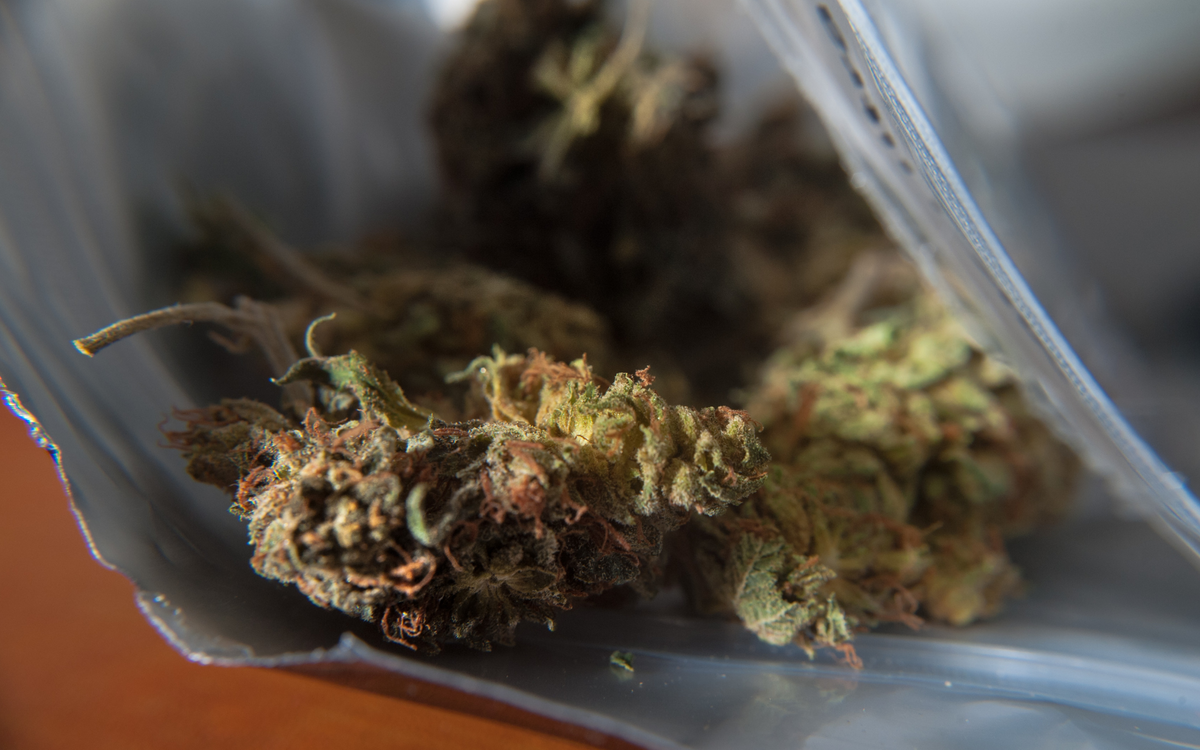
Decide from the lot, then record the action
This guide addresses when to inspect or open a curing container. The separate burp-log and inventory SOP explains what your team should record.
- Confirm that the lot has completed the drying process required by your procedure before sealing.
- Identify the lot and record the initial conditions using the appropriate instruments.
- Choose the next check from the lot's condition and your validated process, rather than applying one fixed timer to every container.
- When you check, compare the readings, inspect the package and note any change.
- Record any opening, its duration, the reason and the next review. Separate a questionable lot for assessment; repeated opening is not a remedy for contamination.
Packaging types differ. Follow the product instructions rather than assuming that every jar and bag needs the same opening routine.
Build checks around the batch
Burping means opening a curing container to exchange air before closing it again. The useful question is whether the batch and container observations call for that action. A fixed number of minutes cannot account for every starting condition, fill level, container or room.
Observation and action guide
| What you observe | What to check | Next step |
|---|---|---|
| Readings remain consistent with your process | Sampling method, sensor condition and closure. | Continue the planned checks and record the trend. Do not add opening time simply because another batch needed it. |
| RH rises after resealing | Sensor stabilization, sample consistency, temperature and batch condition. | Recheck against your process limits and investigate the cause before continuing sealed storage. |
| Condensation, unexpected odor or visible change | Container and lot identity; environmental history. | Hold and isolate the affected lot for quality assessment. Opening a bag is not a treatment for contamination. |
| Flower or readings trend drier than intended | Frequency of opening, room conditions and sampling method. | Review unnecessary handling and your process before adding more air exchange. |
| Different containers behave differently | Lot separation, fill level, sensor placement and handling history. | Keep records separate and investigate the difference rather than applying one decision to all containers. |
Separate the check from the opening
- Identify the lot and container.
- Review previous readings and handling.
- Check the available observations using a consistent method.
- Decide and record the action under your process.
- If opened, record the opening and resealing times, closure condition and follow-up check.
Use separate entries for moisture percentage, air RH and temperature. Sensor placement and stabilization matter; see the hygrometer guide.
Does the bag change the schedule?
Follow the specific container or bag instructions. Do not assume every curing bag regulates humidity or removes the need for monitoring. CurePak supports glass-style curing and storage with a resealable zipper and a heat-sealable top.
Keep the schedule and record connected
A schedule defines when you check. A log records what you observed and did. Use the burp log and cure inventory SOP to keep those decisions visible across shifts and containers.


Reader discussion 0