
Education·3 min read
Colour Shift in Stored Cannabis: Why Buds Darken Without Mould or Oxidation
Explore colour changes in stored cannabis and the handling factors discussed in this guide. Learn what growers can review when flower appearance shifts.
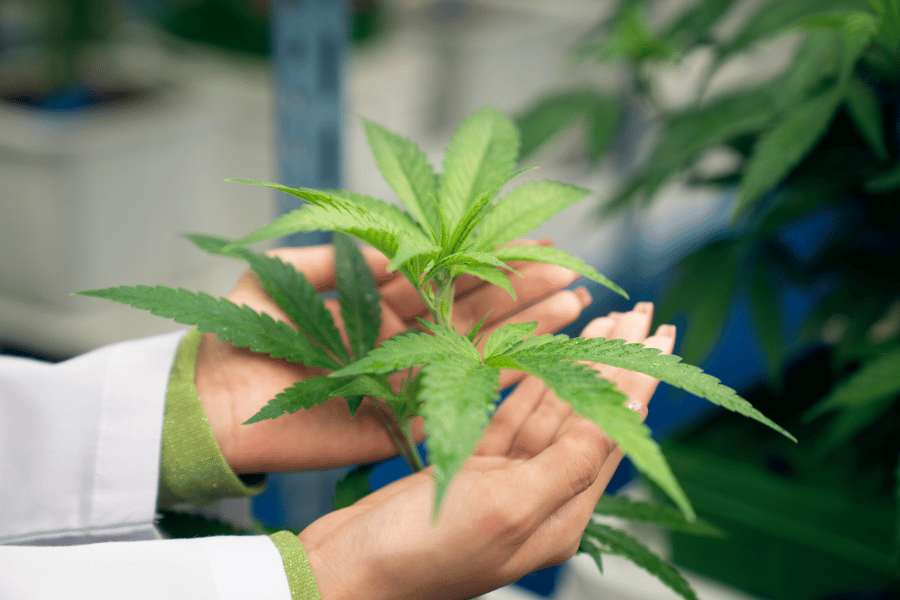
When cannabis buds lose their bright green colour and turn olive, brown, or dull, most people assume mould or oxidation. In many cases, neither is the cause.
Colour shift in stored cannabis is a common quality issue that occurs even when moisture, humidity, and oxygen are well controlled. These changes are subtle, gradual, and often misdiagnosed—yet they strongly affect perceived freshness and value.
This article explains why cannabis changes colour in storage, what actually causes pigment degradation, and how professional operations prevent visual decline.
What Is Colour Shift in Cannabis?
Colour shift refers to gradual changes in the visual appearance of cannabis flower after drying and curing.
Common symptoms include:
- Bright green fading to olive or muted green
- Localized browning on bud surfaces
- Dull or “dusty” trichome appearance
- Uneven coloration across the same lot
These changes occur without obvious spoilage.
Why Colour Matters More Than Labs
Buyers judge quality visually before smelling or testing.
Even when:
- Potency remains stable
- Aroma is acceptable
- Moisture is in range
Dull colour is often interpreted as old, mishandled, or low-quality flower.
What Actually Causes Colour Shift
Colour degradation is driven by physical and biochemical stress—not contamination.
Primary contributors include:
- Pressure on bud surfaces over time
- Friction that damages epidermal cells
- Trichome smearing that alters light reflection
- Pigment collapse from mechanical stress
The result is visual dulling rather than rot.
Why Pressure Changes Colour Without Flattening Buds
Colour shift can occur even without obvious compression damage.
Low-level, sustained pressure:
- Disrupts plant cell structure
- Changes how pigments scatter light
- Causes subtle darkening without shape loss
This is why stacked or tightly packed flower often darkens unevenly.
Trichome Smear vs. Trichome Loss
Not all trichome damage removes resin.
In many cases:
- Resin heads smear across surfaces
- Light reflection becomes uneven
- Frosty appearance turns matte
The flower may still test well—but looks older.
Why Colour Shift Is Often Blamed on Oxidation
Oxidation causes chemical changes. Colour shift is often mechanical.
Misdiagnosis leads teams to:
- Overcorrect oxygen exposure
- Change packaging unnecessarily
- Ignore handling and stacking practices
Which fails to solve the real issue.
Where Colour Shift Happens Most Often
High-risk stages include:
- Long-term storage under load
- Extended staging before packaging
- Transport with uneven weight distribution
- Repeated handling of finished flower
The longer the dwell time, the more visible the shift.
How Commercial Operations Preserve Colour
Professional teams treat colour as a handling KPI.
Common strategies include:
- Limiting pressure on finished flower
- Reducing repeated transfers
- Maintaining consistent load distribution
- Minimising agitation during staging
Preventing stress preserves visual quality.
Colour Stability Is a Quality Signal
Consumers associate colour with freshness—even when lab data says otherwise.
Protecting colour is not cosmetic—it directly affects sell-through, pricing, and brand trust.
Frequently Asked Questions
Can cannabis darken without mould?
Yes. Colour shift commonly occurs without microbial activity.
Is colour shift caused by oxidation?
Not always. Mechanical stress and pressure are frequent causes.
Does colour change affect potency?
Not necessarily, but it reduces perceived quality.
Why does one side of a bud look darker?
Uneven pressure or contact during storage can cause localized colour changes.
Can colour shift be reversed?
No. Once pigments and trichomes are altered, appearance does not recover.
Is darker weed always lower quality?
No, but buyers often perceive it that way.
How can I detect early colour shift?
Compare interior buds to exterior surfaces and monitor uneven darkening.


Reader discussion 0